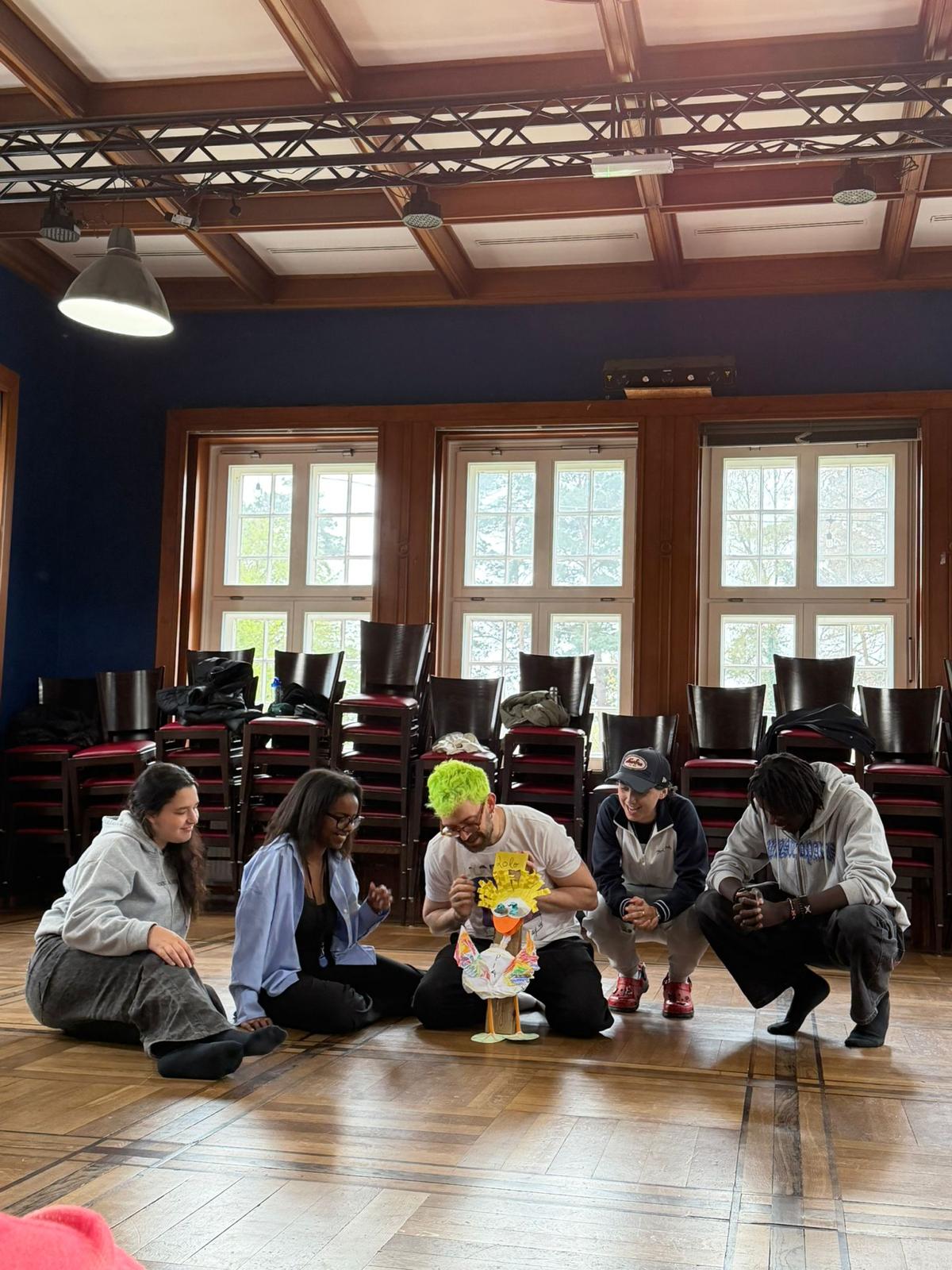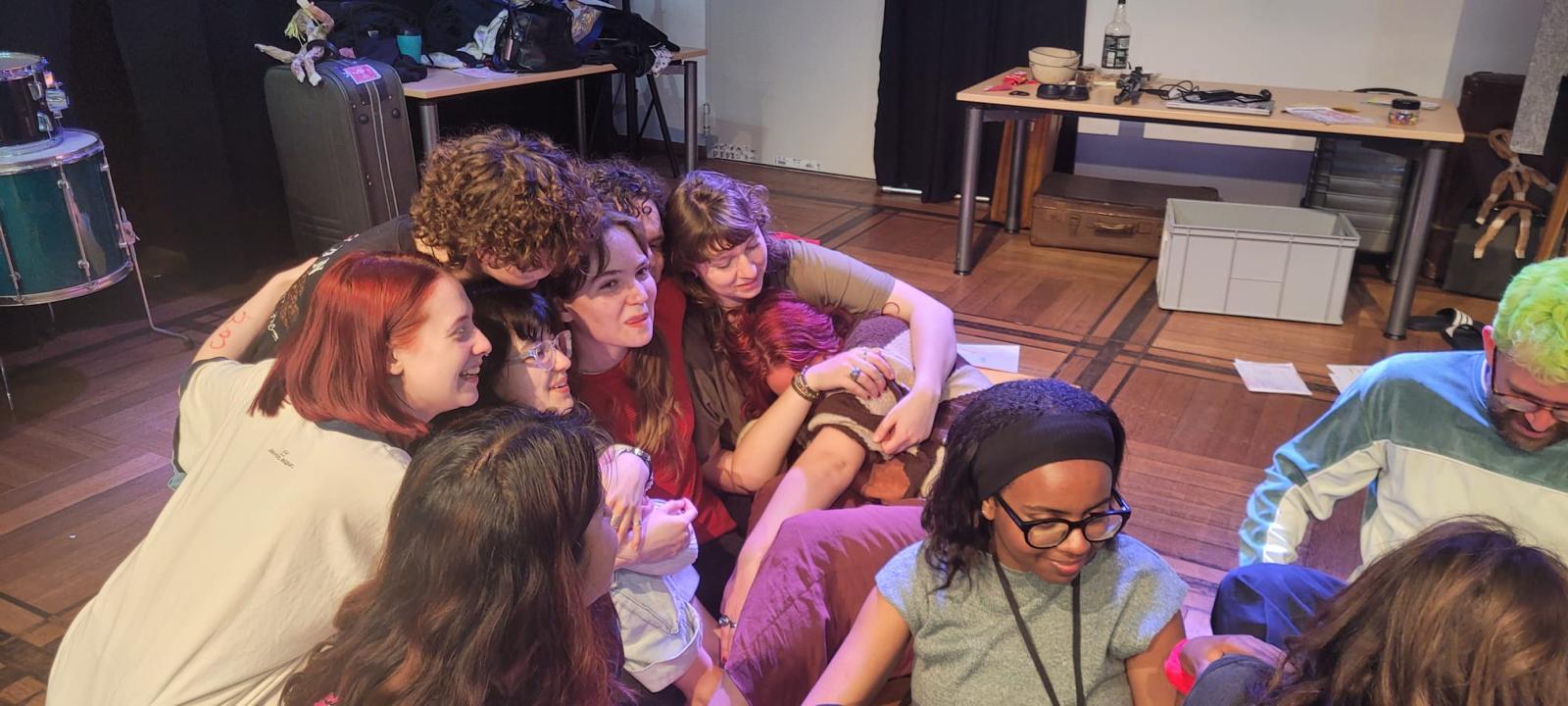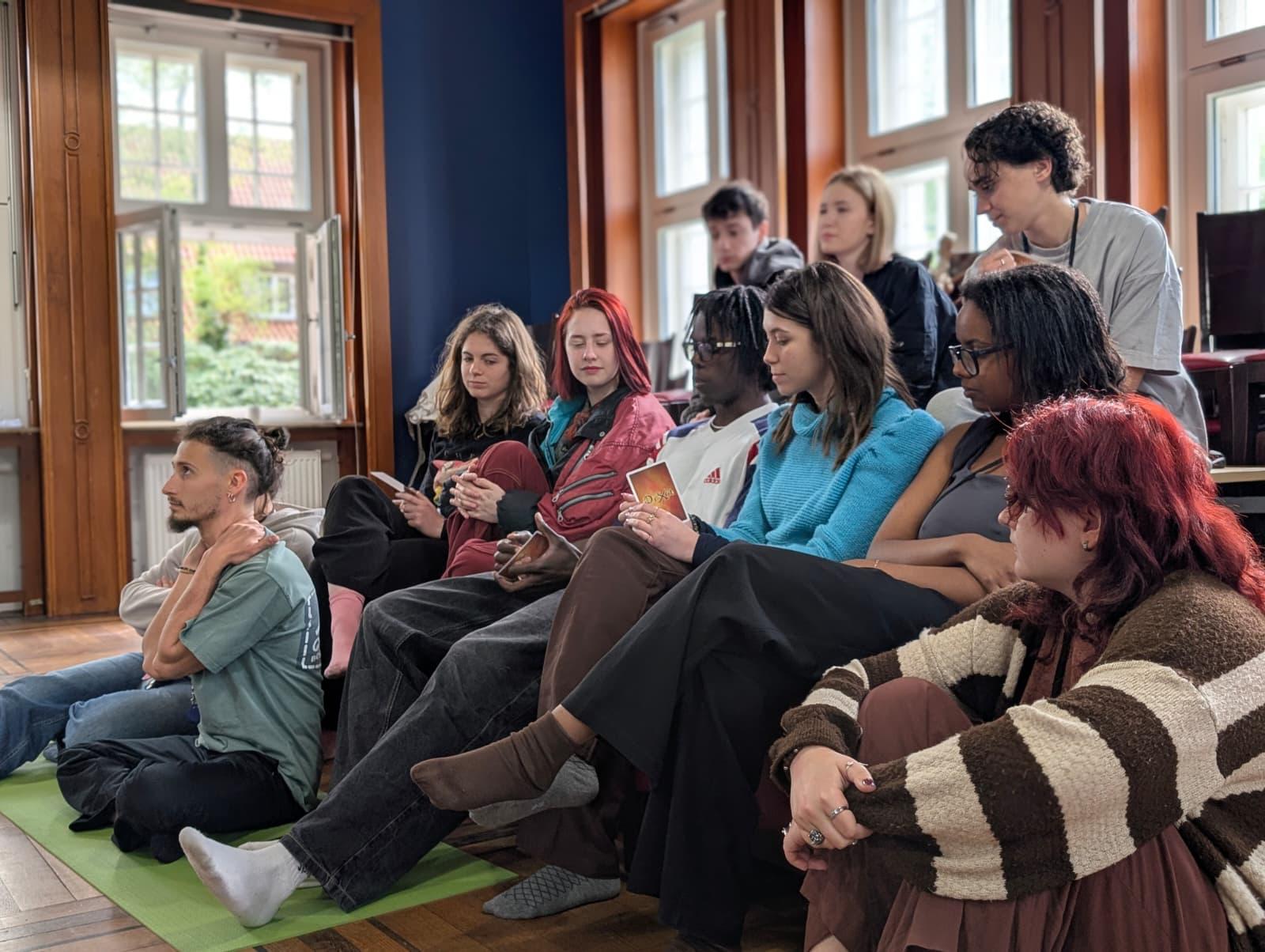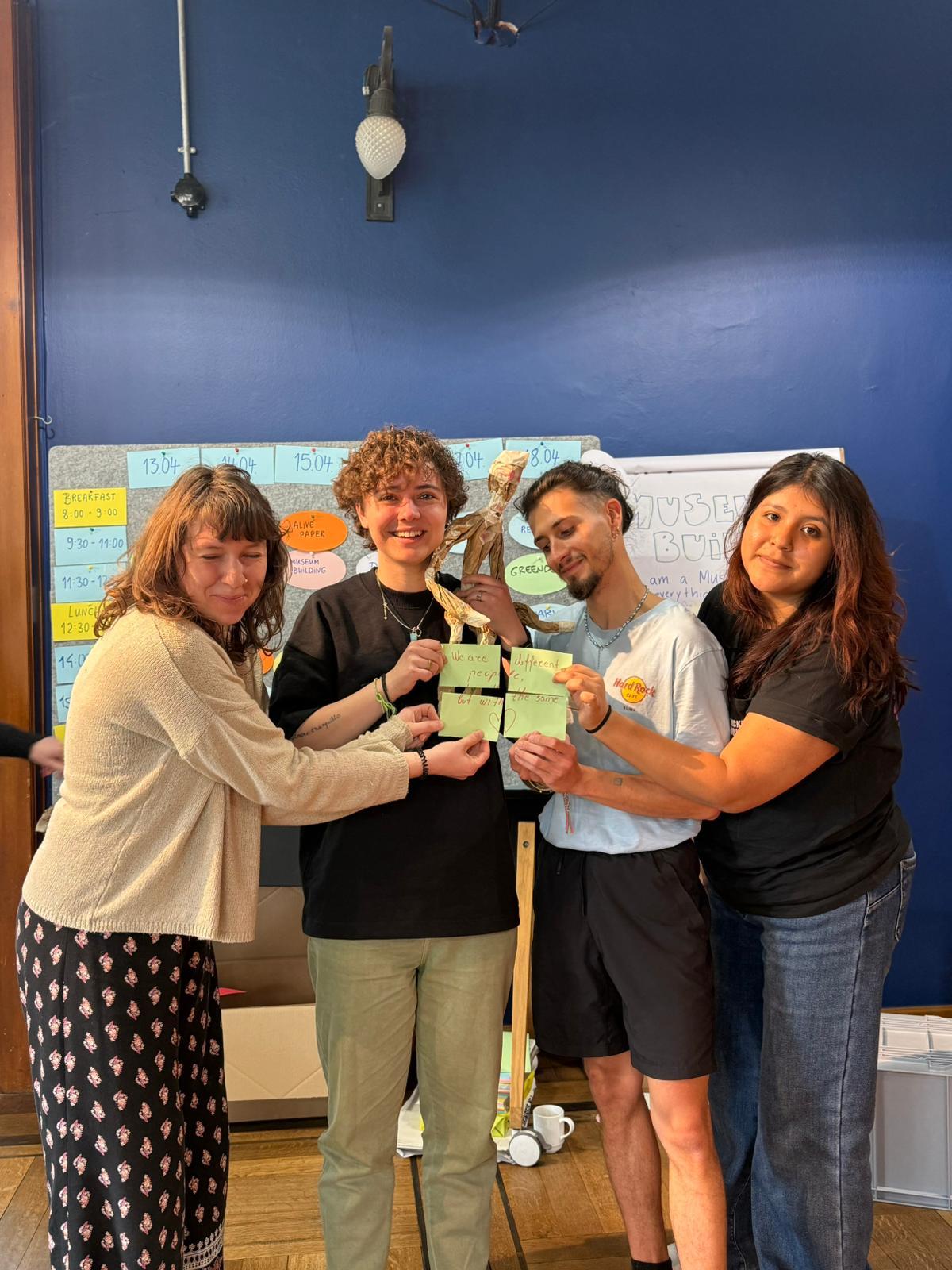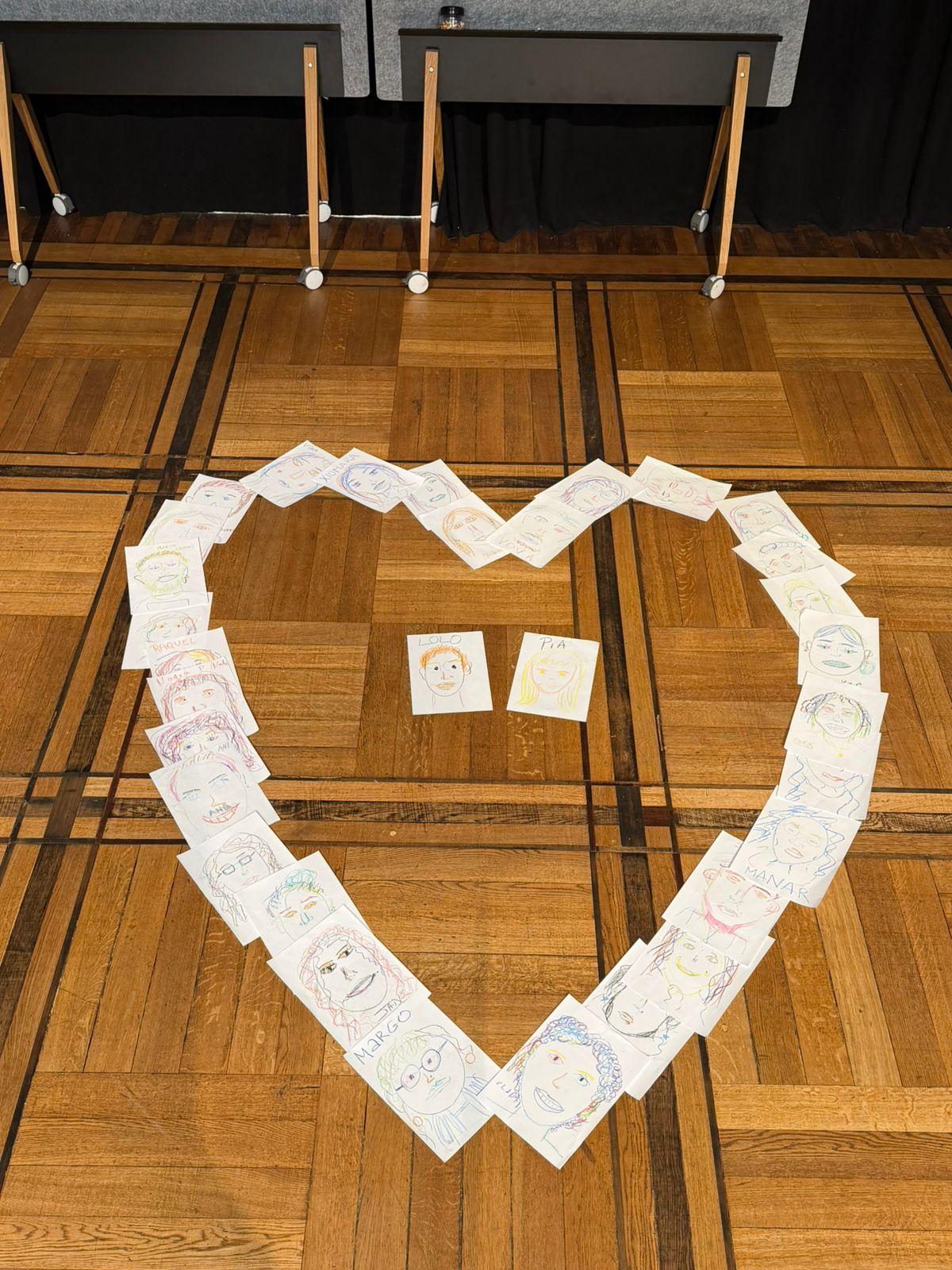
There is something vulnerable about a blank sheet of paper. It does not ask who you are, where you come from, or whether you belong here at all. It simply waits. From April 12 to 19 in Oldenburg, this sheet became the central metaphor of an entire week – and for five participants from the Spanish team, it turned into something far more personal than just workshop material.
The international youth exchange "Me and My Papers", organized by Jugendkulturarbeit e.V. within the framework of the Erasmus+ programme, brought together 35 young people from Germany, Italy, Bulgaria, Georgia, Ukraine, Spain, and Lithuania. The title of the project carried a double meaning from the very beginning: "papers" referred both to the official documents that define us externally and to the invisible characteristics that shape us from within. This distinction became the backbone of the entire week, where theatre, collage, puppetry, and performative arts were not decoration but a working method – a way of reaching what direct conversation sometimes cannot access.
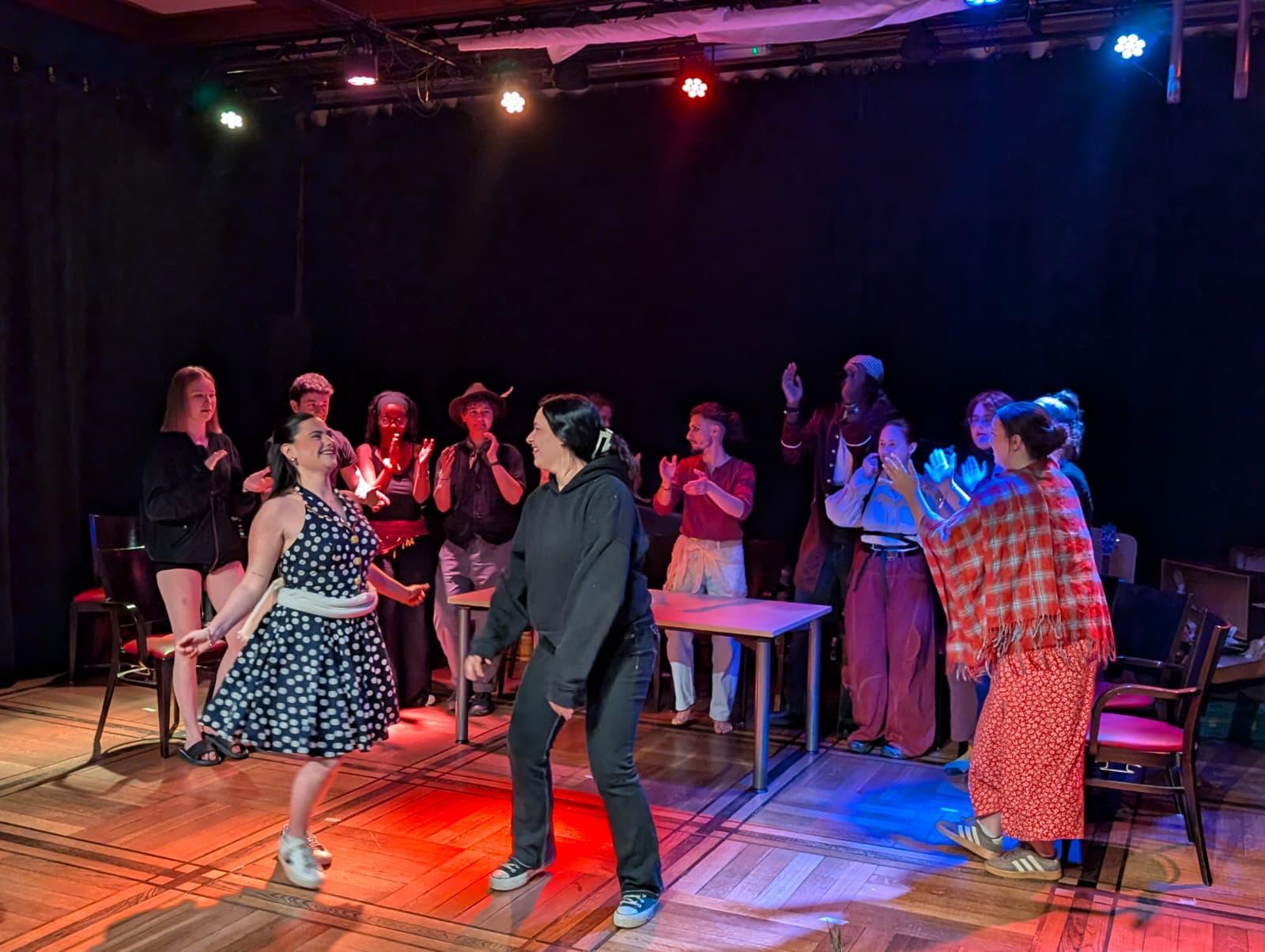
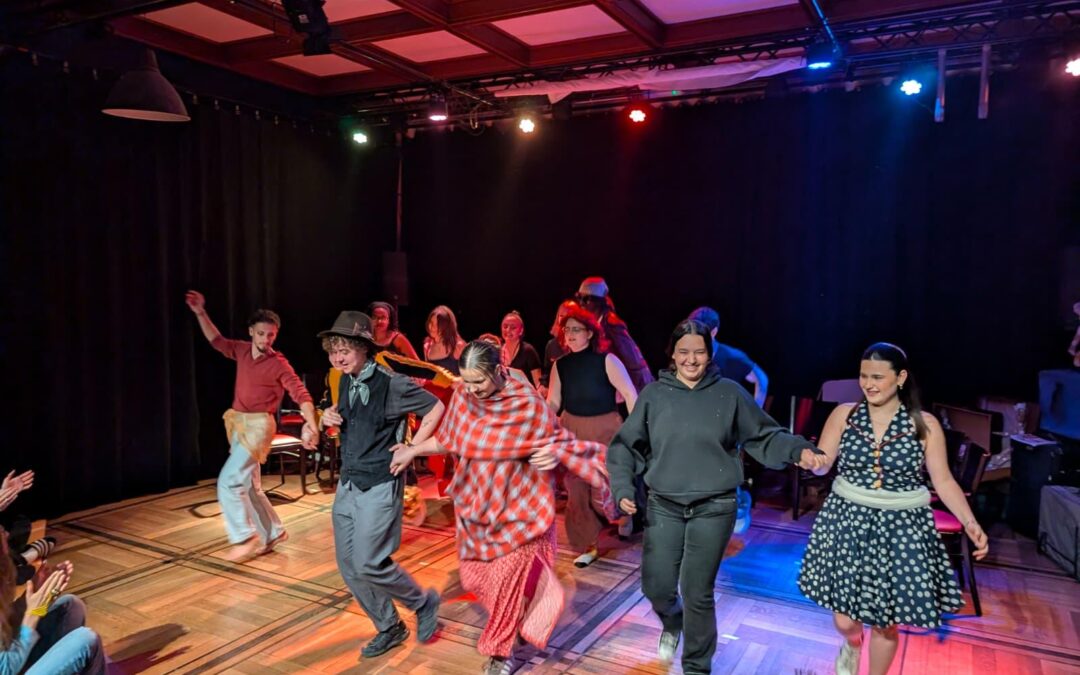
The days moved between reflection and creation. Participants explored themes of body positivity, love languages, and identity, but always through action rather than discussion for the sake of discussion. The week concluded with a collective final performance – not a polished presentation, but a real attempt to make visible what each person had been quietly working through inside.
Xiomara returned with a word she did not expect to associate with a youth exchange: healing.
“My perfectionism often blocks me or makes me run away from certain situations because I am afraid of failing or feeling not capable enough. But here I never felt judged. On the contrary – both the facilitators and my teammates encouraged me to make mistakes and to enjoy the learning process. I am leaving with unforgettable memories and many lessons about the importance of connecting and expressing myself without fear.”
She spoke about how the diversity of artistic forms – drawing, collage, theatre, music – each offered its own entry point into the same complex territory of self-expression and identity. What mattered was that none of these forms required prior experience or specific skills. The only requirement was the willingness to try – and that condition placed everyone in the room on equal ground. The effect built gradually: by the time of the final performance, the connection between participants had already formed layer by layer – through shared creative risk, through making mistakes in front of each other, through trust that grows precisely in such conditions.
Raquel described her experience with a kind of honesty that only appears when something has truly been lived through, not just attended as a programme.
“I am leaving this place with a thousand emotions I did not even know existed within me. Without exaggeration – this has been the best week of my life, during which I learned invaluable things and met people who became an unexpected light. I want to believe that the friendship and love that were born here will continue to exist – and that no borders will stand in their way. This is only the beginning of a great story.”
Manar arrived with the feeling that she knew herself quite well. The week gently unsettled that certainty. In her reflection, she wrote that the project invited participants to begin from within: to reconsider their own value, to see how they understand love from a different angle, and to recognise themselves in people from entirely different contexts.
“We came from different countries, but with emotions and experiences that connected us. Theatre became an unexpectedly powerful tool of expression: even through pantomime, between people who do not share a common language, something precise and deeply human could pass through.”
As a group leader, Manar observed the Spanish team from a particular position – watching how the group slowly found its place within the wider international constellation. She left with the feeling that something real had been built – relationships that one wants to continue.
Claudia put it with a brevity that sometimes carries more weight than a long text: “A week from which I take home not only beautiful moments, but incredible people.”
Laura chose to share her experience directly on Instagram – a reminder that reflection, just like expression, takes the form that feels right for each person.
Oldenburg rarely appears on the mental map of cities associated with youth exchanges.
But the project did not need a spectacular setting. It needed a room, a group of people willing to stay together in uncertainty, and enough paper to begin.
The rest – unfolded on its own.
Material prepared by Olha Oltarzhevska