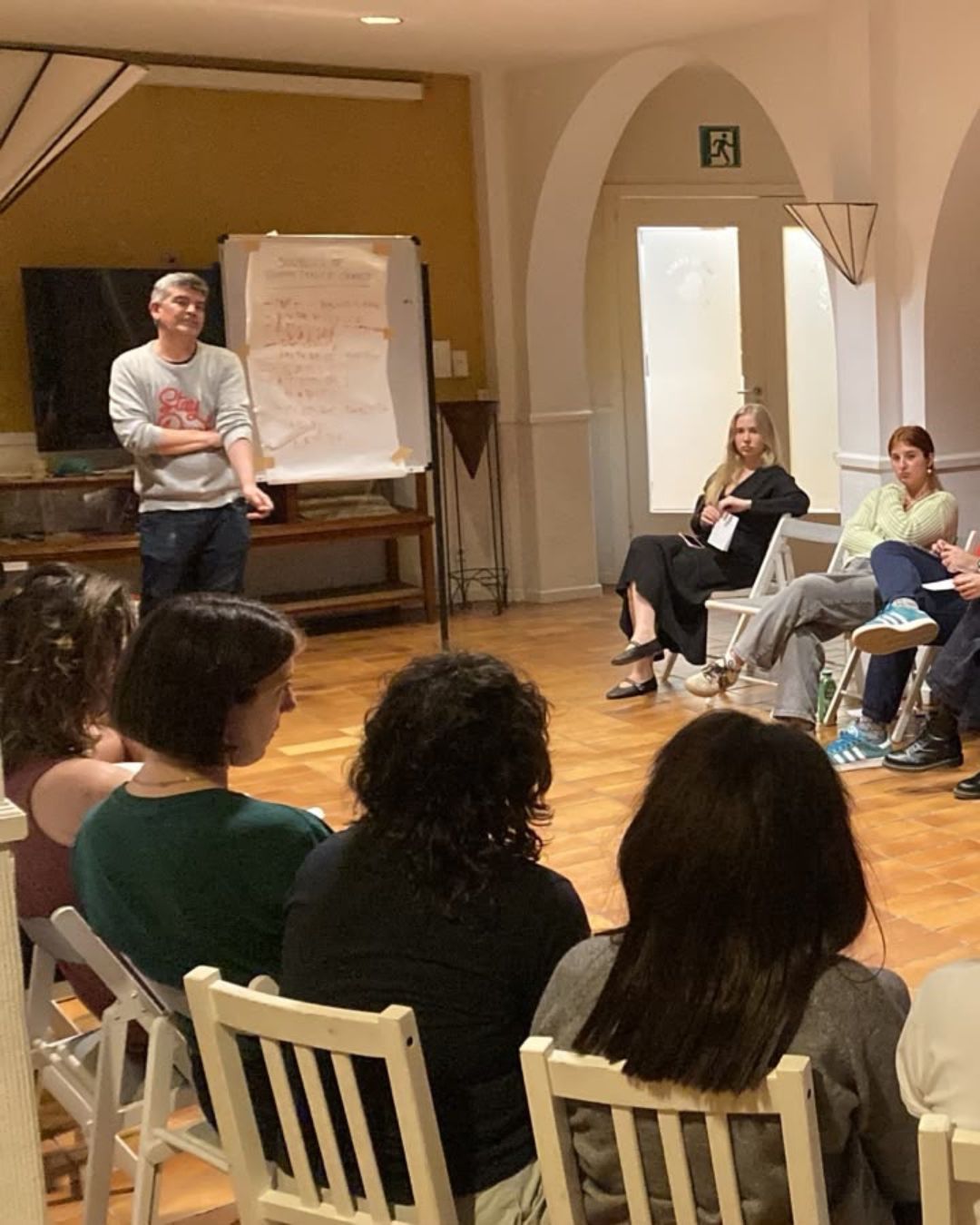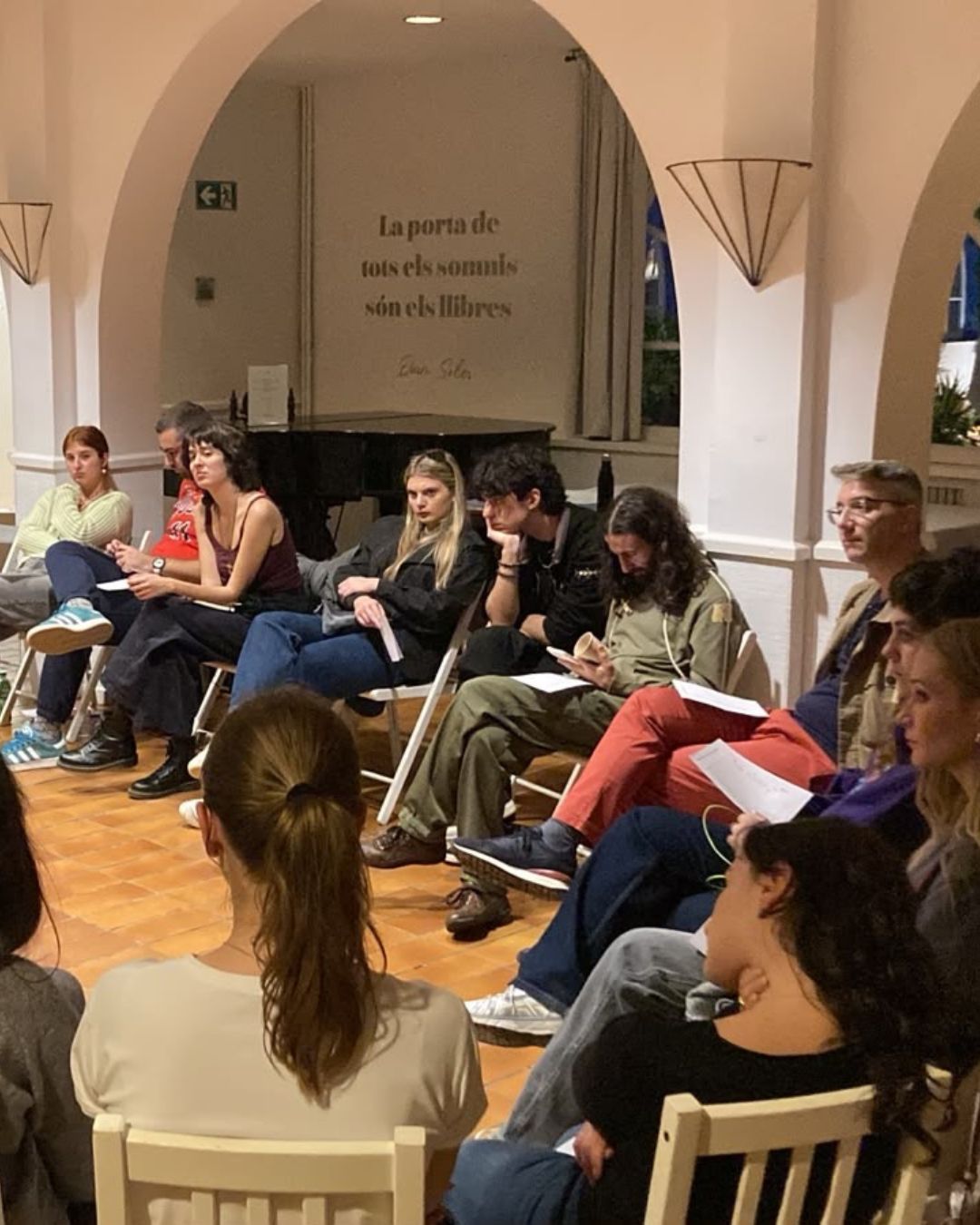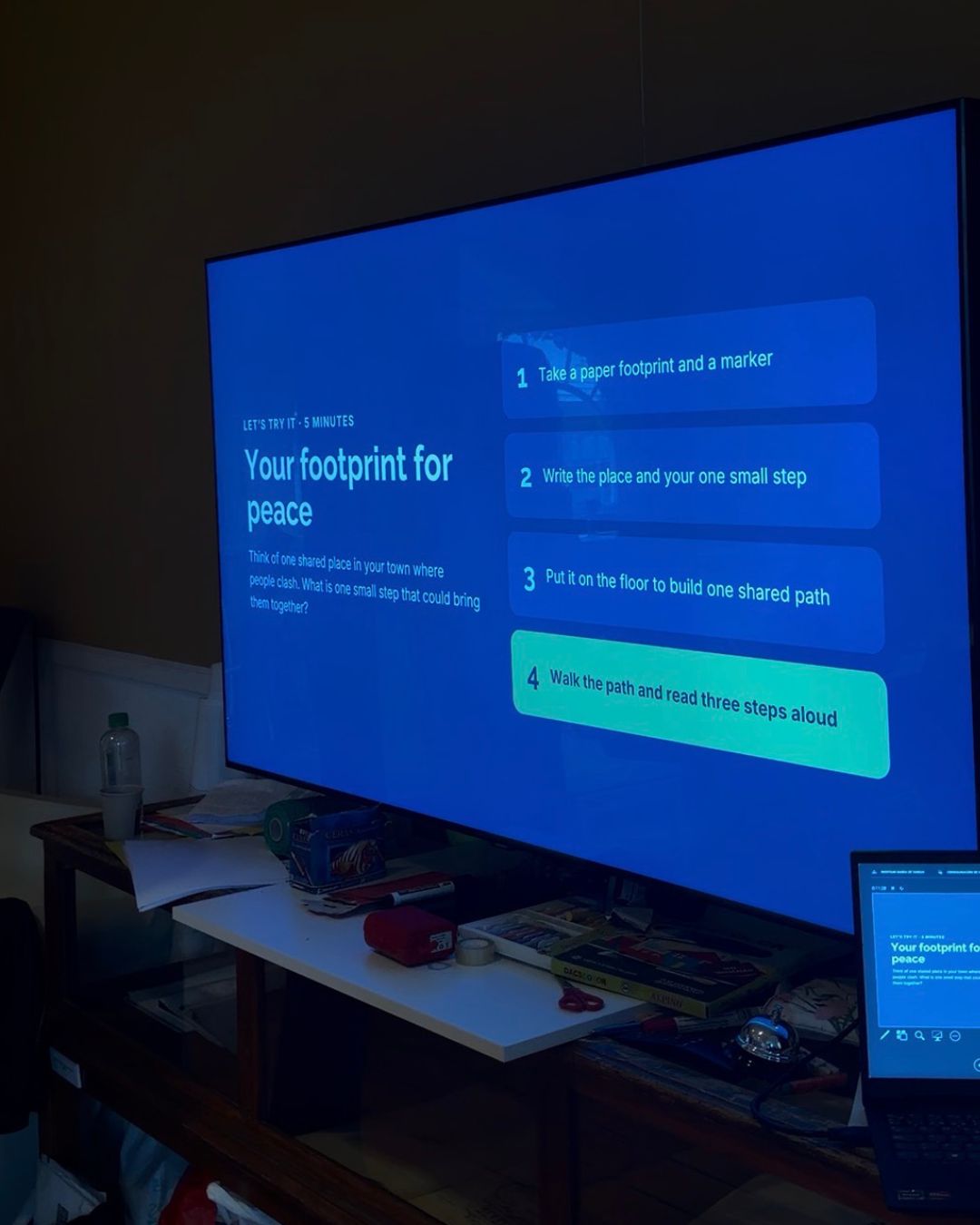
Picture this: a giant sheet of paper, the kind that begs for doodles, splashed with a sea, a handful of boats, and clouds drifting overhead. Each person in the room pins up their own baggage – fears float up to the clouds, hopes climb aboard the boats, and whatever you’re ready to give to the group sets sail across the painted waves.
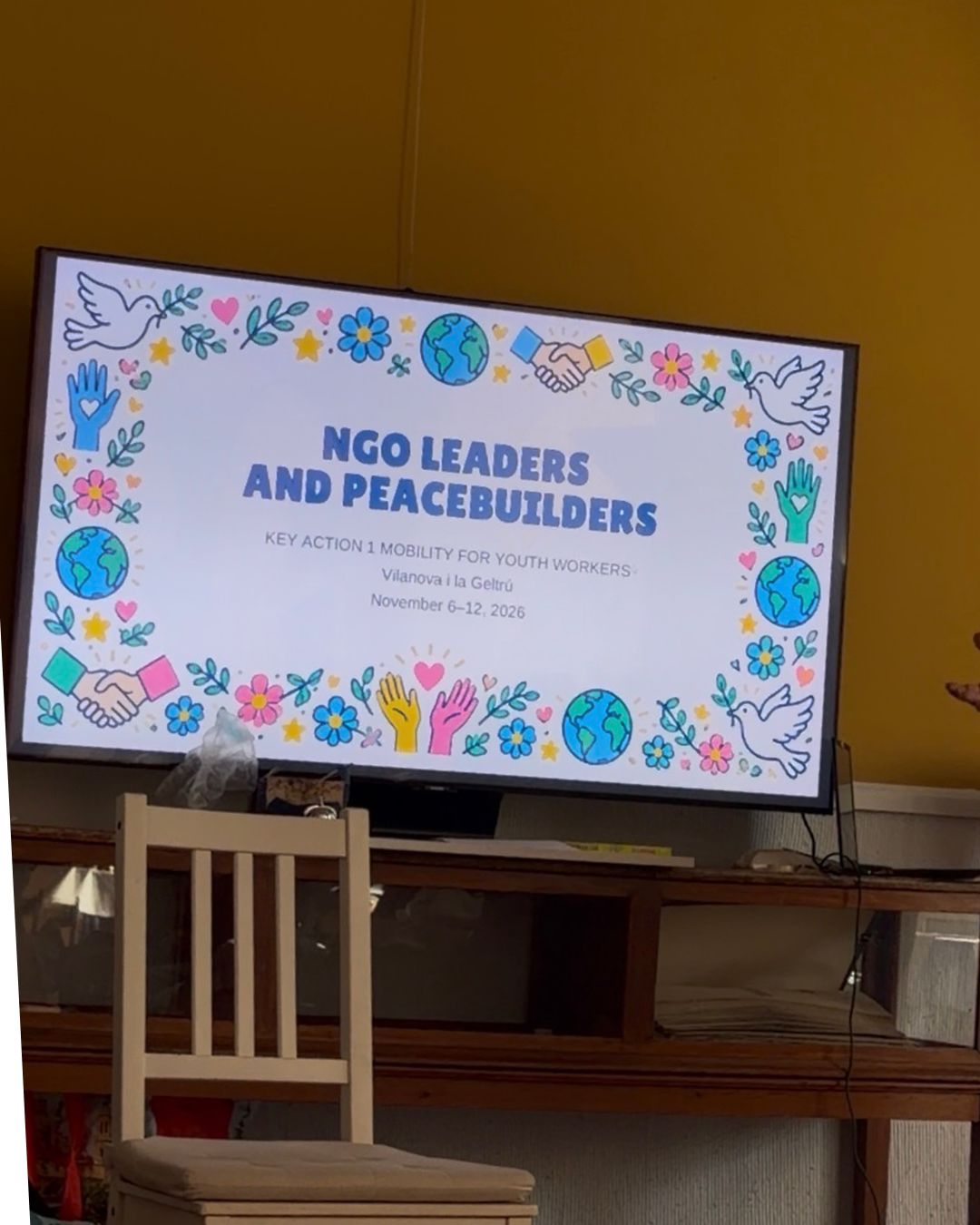
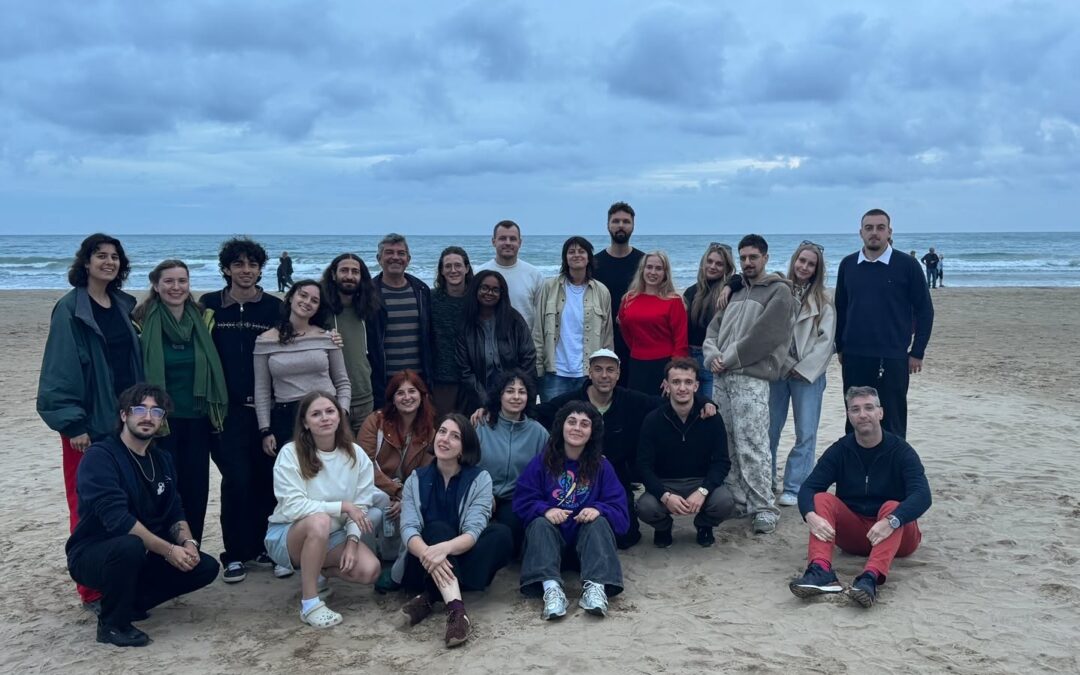
That’s how the “NGO Leaders and Peacebuilders” course set sail on November 6 in Vilanova i la Geltrú. Leaders from Italy, Georgia, North Macedonia, Serbia, Ukraine, Azerbaijan, Poland, Armenia, Bulgaria, Germany, Croatia, Kosovo, and Spain all squeezed into the Cèsar Hotel, ready for a week orchestrated by Fundació Catalunya Voluntària.
The first exercise cut straight to the heart: if you want to talk about peace, start with the weather inside the room.
The whole week spun around one stubborn idea: if peace is stitched into your organization’s DNA, you change the world more deeply than if you just tick off projects from a list.
So the program didn’t waste time on theory – respect, empathy, nonviolent communication, conflict management – these aren’t just buzzwords, they’re muscles you have to flex in real life, especially when everyone brings their own stories to the table.
That’s why the week was all about rolling up sleeves and getting hands dirty. Each person checked in with themselves at the start and finish, measuring growth not by applause but by their own gut feeling.
Next came questions that everyone supposedly knows but rarely answers out loud: where does peace begin, who is responsible for it, and what does it even mean?
The group didn’t receive any ready-made definitions, so everyone had to find their own and then draft a joint statement based on them. The conversation about the absence of war very quickly went beyond its original scope and touched on justice, equality, freedom, and the ability to argue without causing harm.
And if peace truly doesn’t begin with grand agreements, then where does it begin? The participants found the answer in rather everyday things.
One such insight emerged during a conflict exercise. Groups acted out scenes where they had to put themselves in another person’s shoes and then, in turn, experience an aggressive, impulsive, and nonviolent reaction to the same situation.
Seeing how the same episode unfolded in completely different ways depending on the opening line proved more compelling than any lecture.
Manar, a team member of Fundació Catalunya Voluntària, was most struck by the moment when her very understanding of the subject shifted:
It was particularly interesting to realize that peacebuilding isn’t just about preventing conflicts, but also about how we communicate, how we treat others, how we listen, and how we create a space where everyone feels included and respected.
For her, this insight has practical implications, as she plans to apply it to her daily work with young people, particularly in discussions about solidarity and active participation.
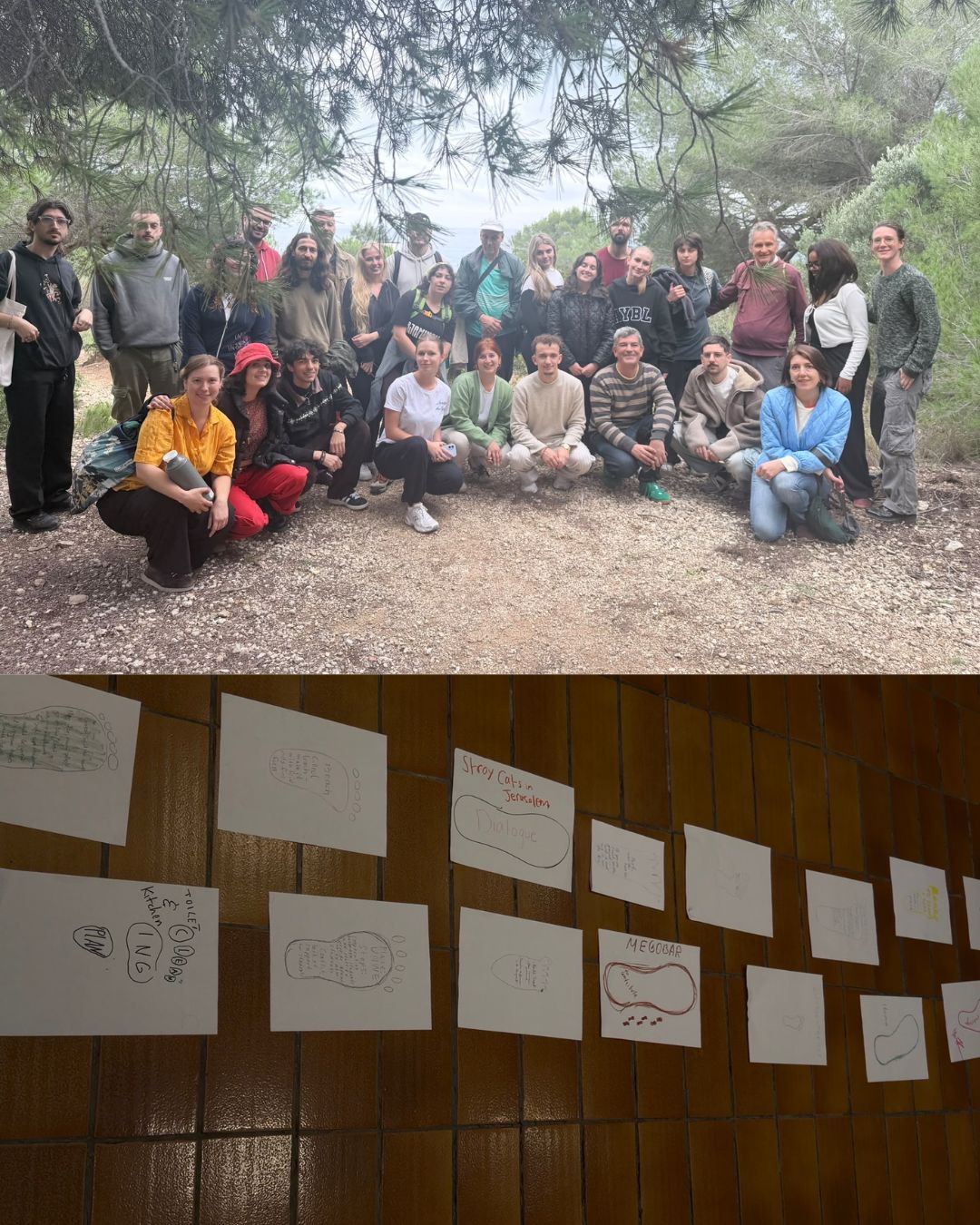
However, the forest – not the conference hall – is most frequently mentioned in the feedback. Olena writes about it as a place where words about peace ceased to be just a session topic and became everyday behavior:
We worked together in the forest: without rushing, without competition – just people from different countries helping one another, laughing, and stopping to talk. The most honest conversations took place right there.
The warmth she felt in nature carried into the conference hall. In the evenings, participants shared stories from their communities – some funny, some difficult – and everyone listened without judgment.
Olena is leaving with a simple conclusion that’s easier to write down than to put into practice: empathy and respect work as daily habits, not as grand ideas, and her organization now needs to adopt a rule to slow down, listen first, and make room for honesty.
For Dora, this was her first time at an international training, and she showed up expecting to learn about peacebuilding but ended up learning about herself.
Talking with people from other countries made her question her own assumptions. The forest walks and workshops on emotions and empathy hammered home the main point:
Peace begins with everyday choices: listening attentively, respecting others, and trying to understand before judging.
Her story comes with a bonus: while presenting a peace exercise with Laura, she realized that speaking English suddenly felt easier – a win that’s worth more than any certificate.
Dora is heading back to KORAK in Croatia with new friends, fresh energy, and a head full of ideas for events that pull people together around shared spaces.
Anna describes the week from the perspective of someone who already knows what training sessions are like and therefore notices things in them that usually go unnoticed.
She was looking for new knowledge, an exchange of experiences, and colleagues in the field, but she found much more – especially in conversations outside the sessions, where people spoke openly about challenges and listened to how others in different countries deal with them.
She also notes how much attention the organizers paid to the program, the activities, the hotel, and the conference hall – all of which contributed to an atmosphere where it was easy to focus and feel like part of the group.
Her summary is the most concise of all:
I’m leaving with new knowledge, inspiring connections, fresh ideas, and, most importantly, the feeling that I was part of something meaningful.
Marianna highlights the open atmosphere, teamwork, and discussions that inspire action – and it is precisely this motivation to turn ideas into action that she is taking home.
Oleh offered the most concise – and perhaps the most accurate – insight into the inner workings of the project: he observed excellent organization and thorough preparation, as well as the team’s outstanding work.
Two different perspectives – participation from within the group and an observation of how things unfolded – converge on one point: the week, which seemed effortless, was made possible by the organizers’ meticulous work.
The question that launched the week never got a neat answer – and maybe that was the point.
Thirteen countries are heading home with their own remix of the same idea: peace is about noticing the person beside you, refusing to answer aggression with more aggression, and choosing to understand before you judge.
Now these seeds have to be planted in organizations, communities, and clubs, where the ground is a lot rockier than the peaceful forest outside Barcelona. Whether these daily habits can survive the real world? We’ll find out next year.
Thank you to Manar, Olena, Dora, Anna, Marianna, and Oleh for sharing their experiences.
This article was prepared by Olha Oltarzhevska, Fundació Catalunya Voluntària.