Manar, a local volunteer at Fundació Catalunya Voluntària, shares her experience of her first European Solidarity Corps (ESC) training. A week of discoveries, reflections and new friendships that encouraged her to step outside her comfort zone and discover new ways to grow, both personally and professionally.
I am a local volunteer at Fundació Catalunya Voluntària and a Political Science and Public Administration graduate, with a master's degree in European Integration and another in Diplomacy and International Relations. I live near Barcelona and, throughout my volunteering experience, I want to keep learning, develop new skills and grow both personally and professionally. As an FCV volunteer, I would like to share my experience of my first European Solidarity Corps (ESC) training, a week full of learning, reflection and new friendships.
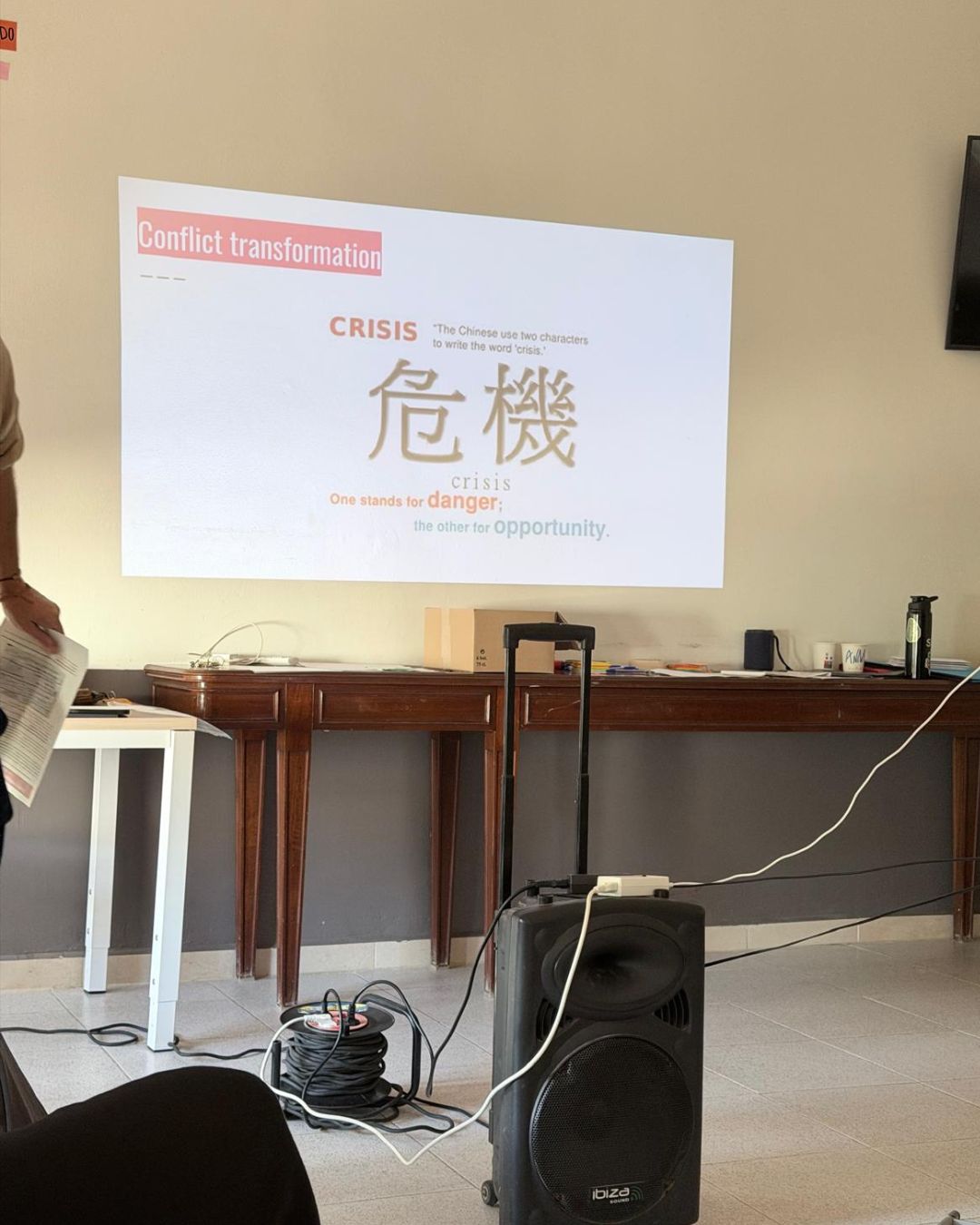
If you are not familiar with the training that takes place at the beginning of a volunteering experience, it is designed for long-term volunteers. Although none of us knew exactly what to expect, I now have a better understanding of why it is so important. Before starting a volunteering experience, we need to understand key concepts such as solidarity, intercultural learning and conflict management. Being a volunteer is not just about helping others, but also about learning to listen, live together and build something collectively.
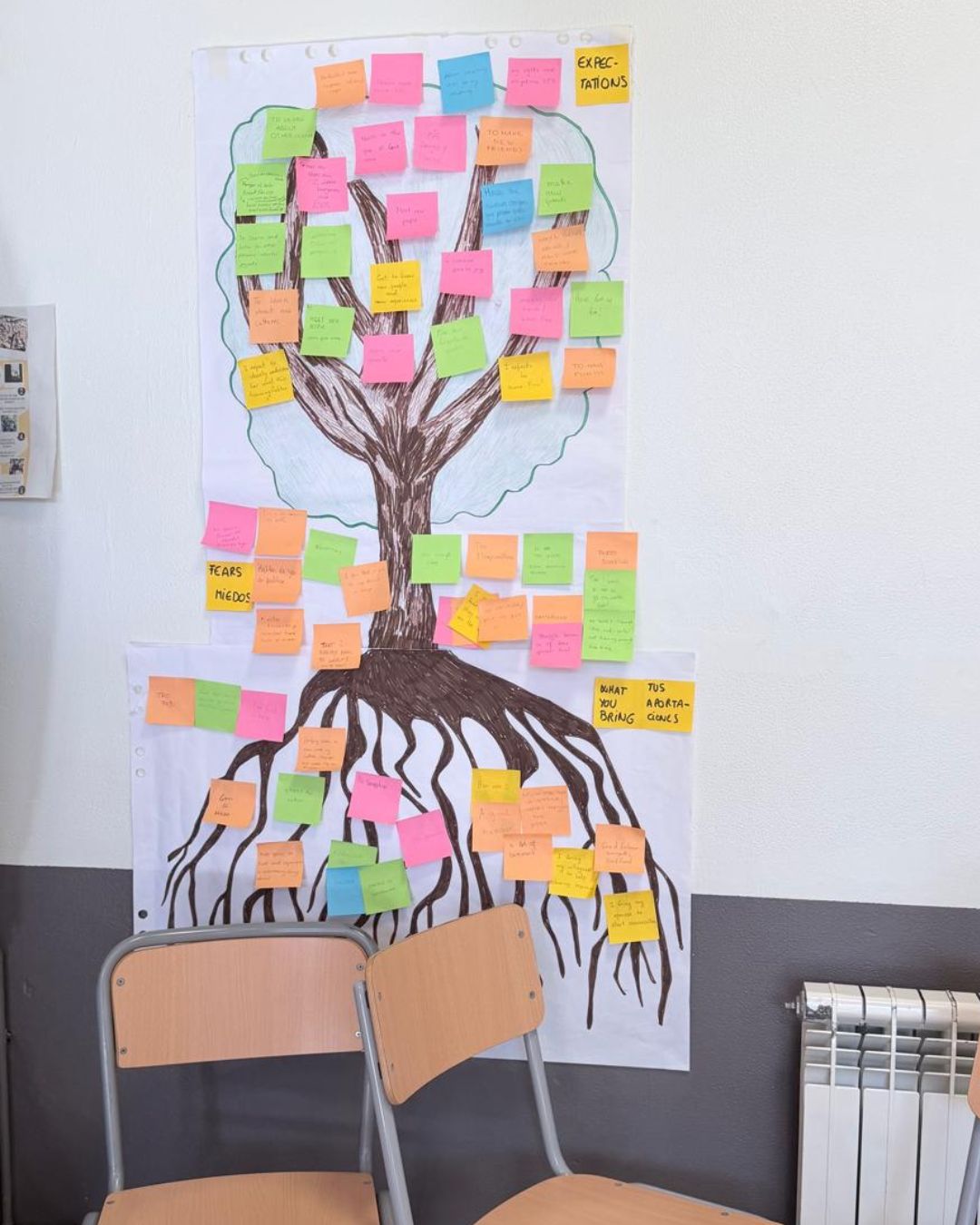
But the most important part of this week was that it gave us the opportunity to reflect on our goals, both within the ESC and on a personal level. And yes, I made friends despite being so shy, and really good friends too! We created a space where we could share our experiences, expectations and concerns. I realised that the year ahead is an opportunity to grow and that, to give the best of ourselves, we also need to take time to reflect and get to know ourselves better.
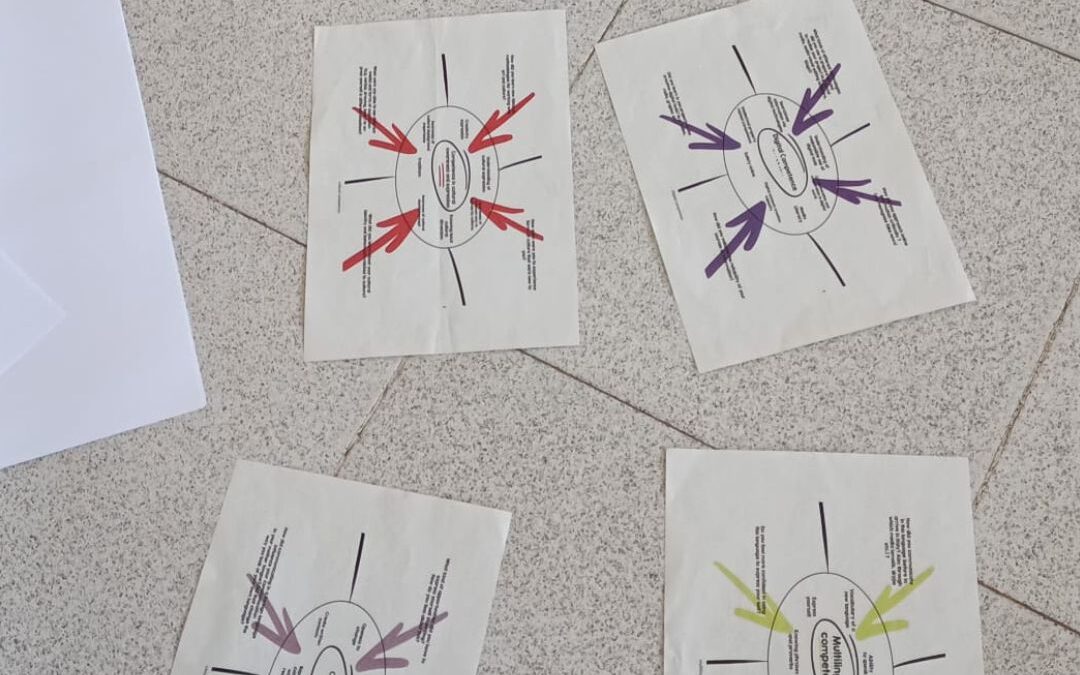
Before the training, I had clear learning objectives: I wanted to learn how to manage projects and continue developing professionally after the ESC. However, I now know that there is so much more ahead of me. We are not just our jobs or our professional goals. We also need to ask ourselves what we still have to learn and what we can discover through other people. In my case, I realised that I want to learn a thousand languages, discover a thousand cultures different from my own and continue developing new skills to become the best version of myself.
I believe this is one of the most valuable things the ESC offers: the opportunity to grow in ways we could never have imagined.
What I experienced during this week was very different from what I had expected. I know that fitting in is not always easy, especially in another country, and that is why I chose to volunteer locally: I found it difficult to step outside my comfort zone. Although I absolutely love my team at work, I now understand that it is often precisely outside our comfort zone that we learn the most. Meeting people with different experiences, listening to their stories and questioning our own ideas allows us to discover realities we might never have encountered otherwise. So, if I could give my future self some advice, I would tell her to step outside her comfort zone more often, travel, meet new people and make the most of every opportunity that comes her way.
As for the activities, I think they were very well designed and genuinely enriching. To begin with, the icebreakers were much more important than I had expected. These activities allowed us to get to know one another in a safe and relaxed environment, without the pressure of having to make friends immediately. Discovering small details, such as someone's daily routine in Barcelona or their favourite food, might seem insignificant, but it helps create very special connections. For someone as shy as me, having this initial space was essential to feeling comfortable and participating throughout the week.
One of my favourite parts was the discussions about key concepts such as solidarity. Sometimes we assume that everyone understands these words in the same way, but when we share our opinions, we discover that each person interprets them through their own experiences, values and background. These conversations made me reflect on what it really means to show solidarity. Is it simply about helping someone, or is it also about listening, understanding their needs and working together? I came away with the idea that volunteering is not about believing we always know what is best for others, but about learning from one another and building something together.
I would also highlight the talk given by a former volunteer who stayed in Barcelona to work after her volunteering experience. Hearing her story was really inspiring, as it showed us how the ESC can become a starting point for new opportunities, both personal and professional. Many of us have asked ourselves at some point: What comes after the ESC? Her experience encouraged us to think about our future and understand that we do not need to have everything figured out from the beginning. Sometimes, all we need is to remain open to the opportunities that may come our way.
Ultimately, this training helped me understand that the European Solidarity Corps is much more than a volunteering programme. It is an opportunity to learn about solidarity through real-life experiences, meet people with different perspectives, develop new skills and challenge the way we see the world.