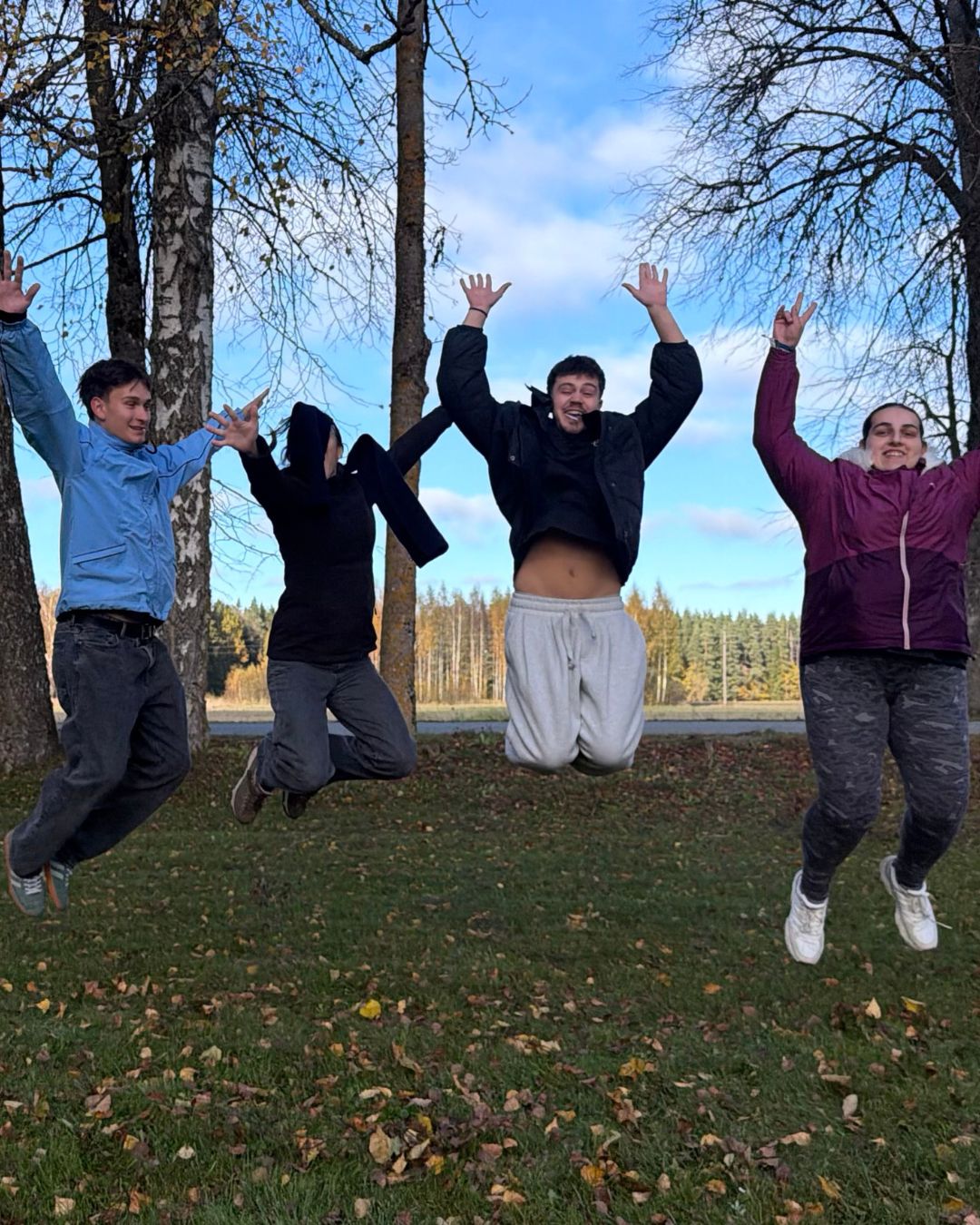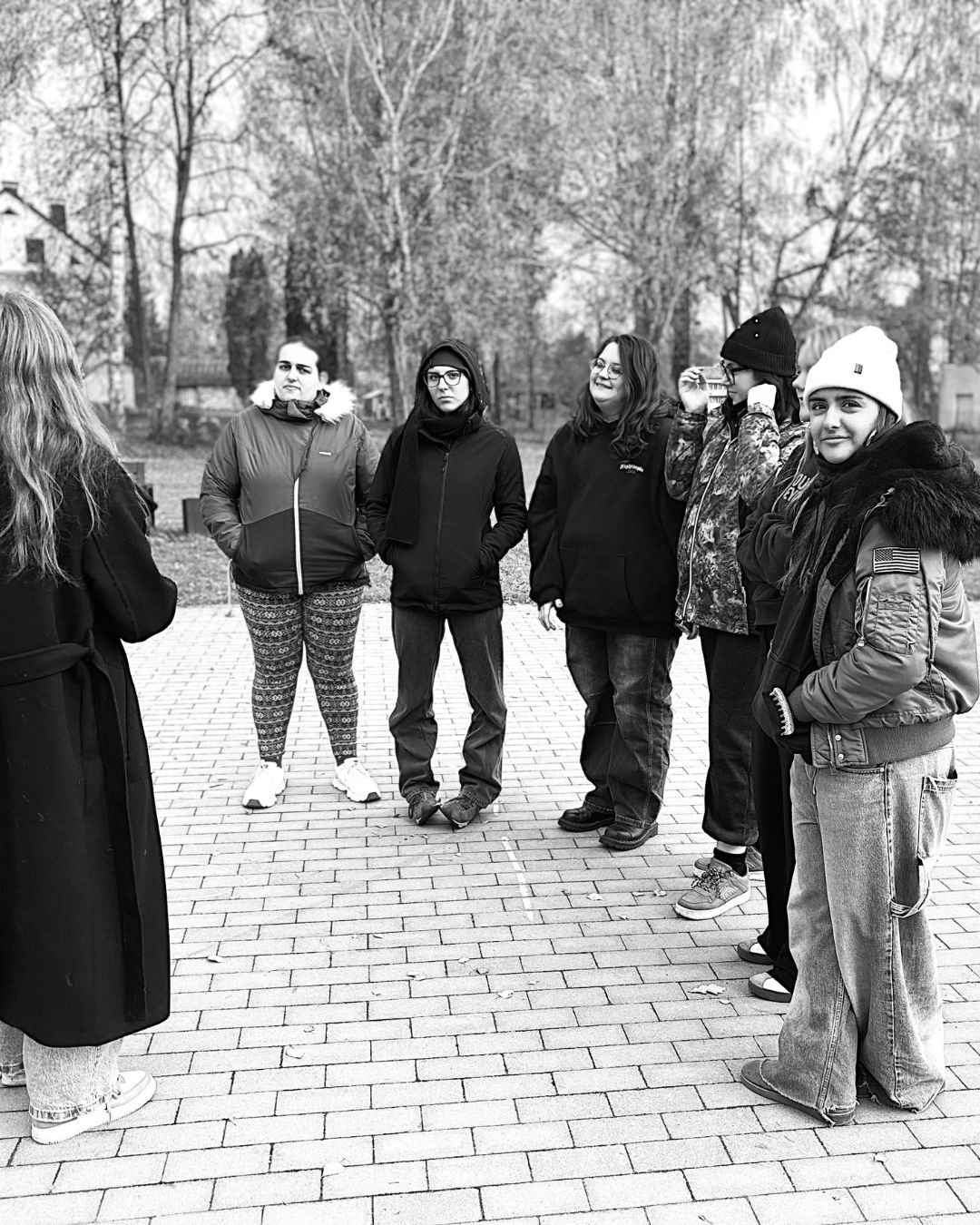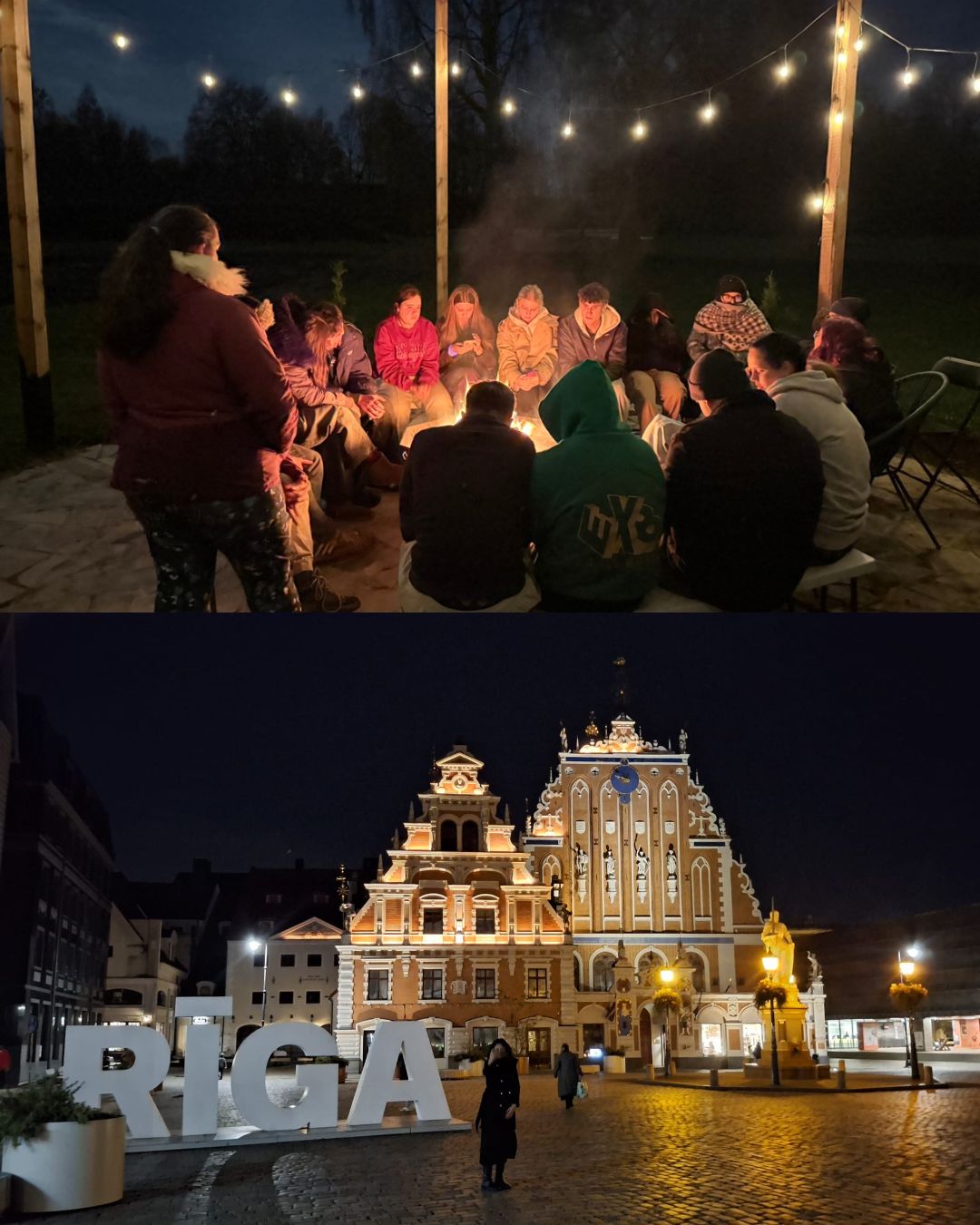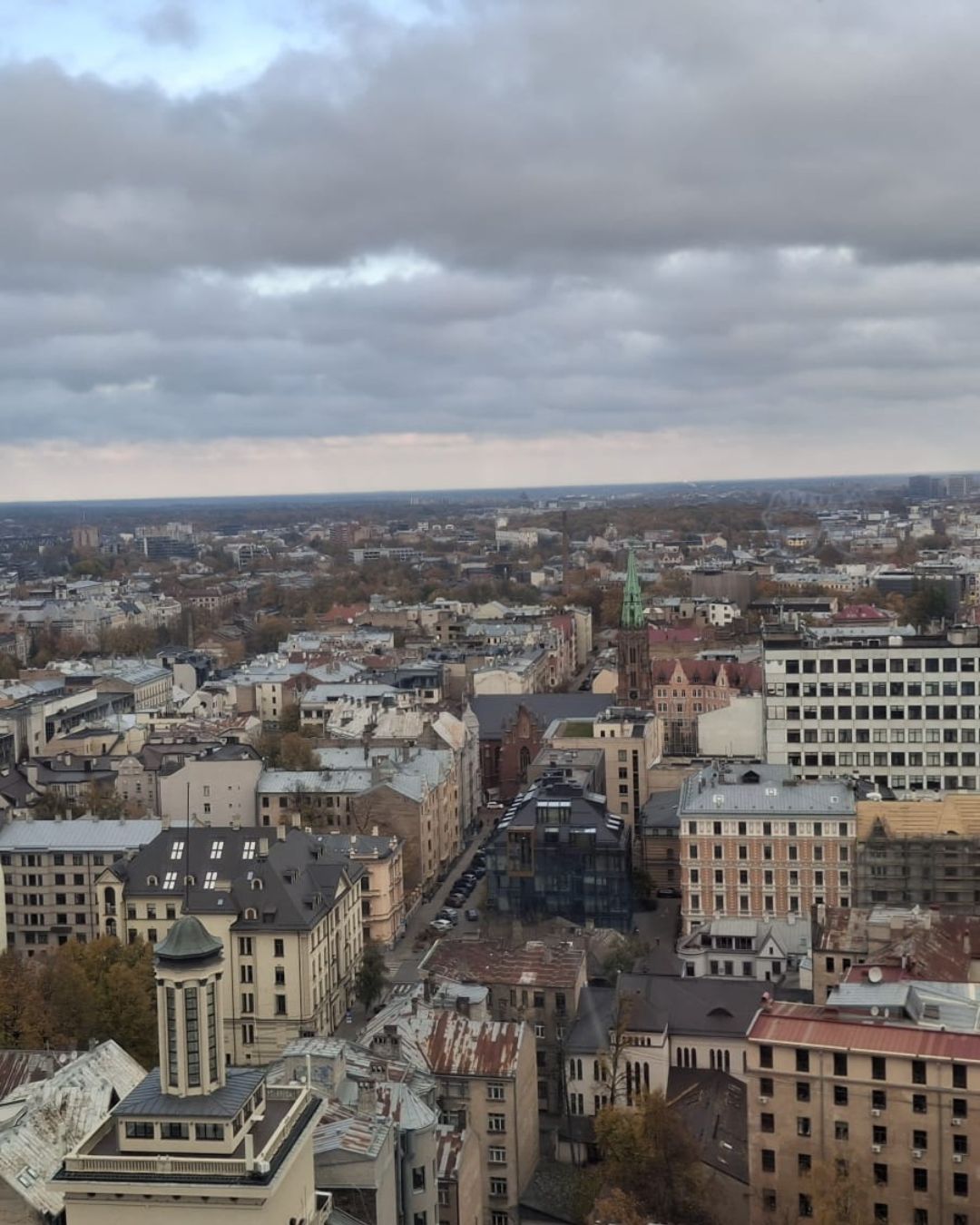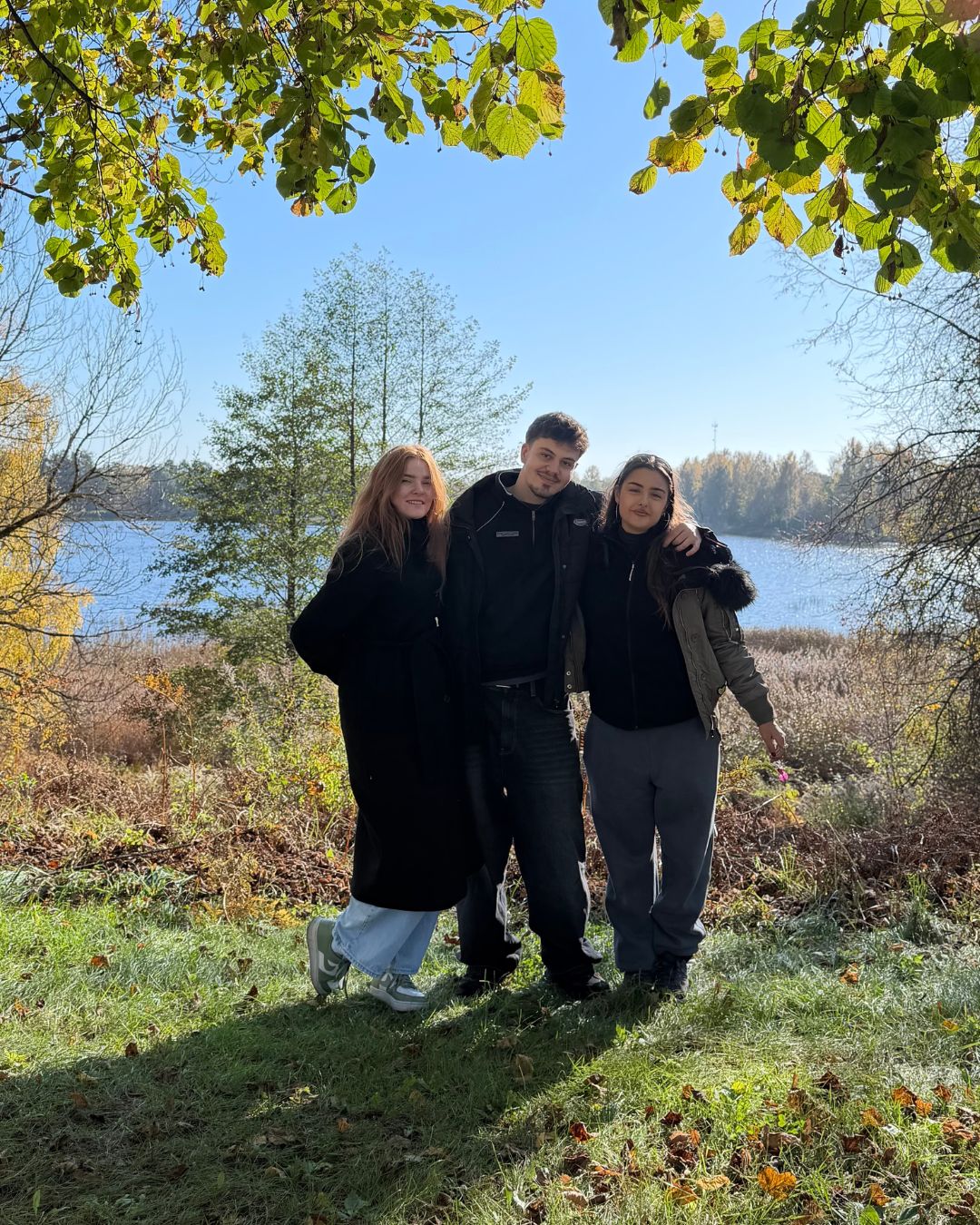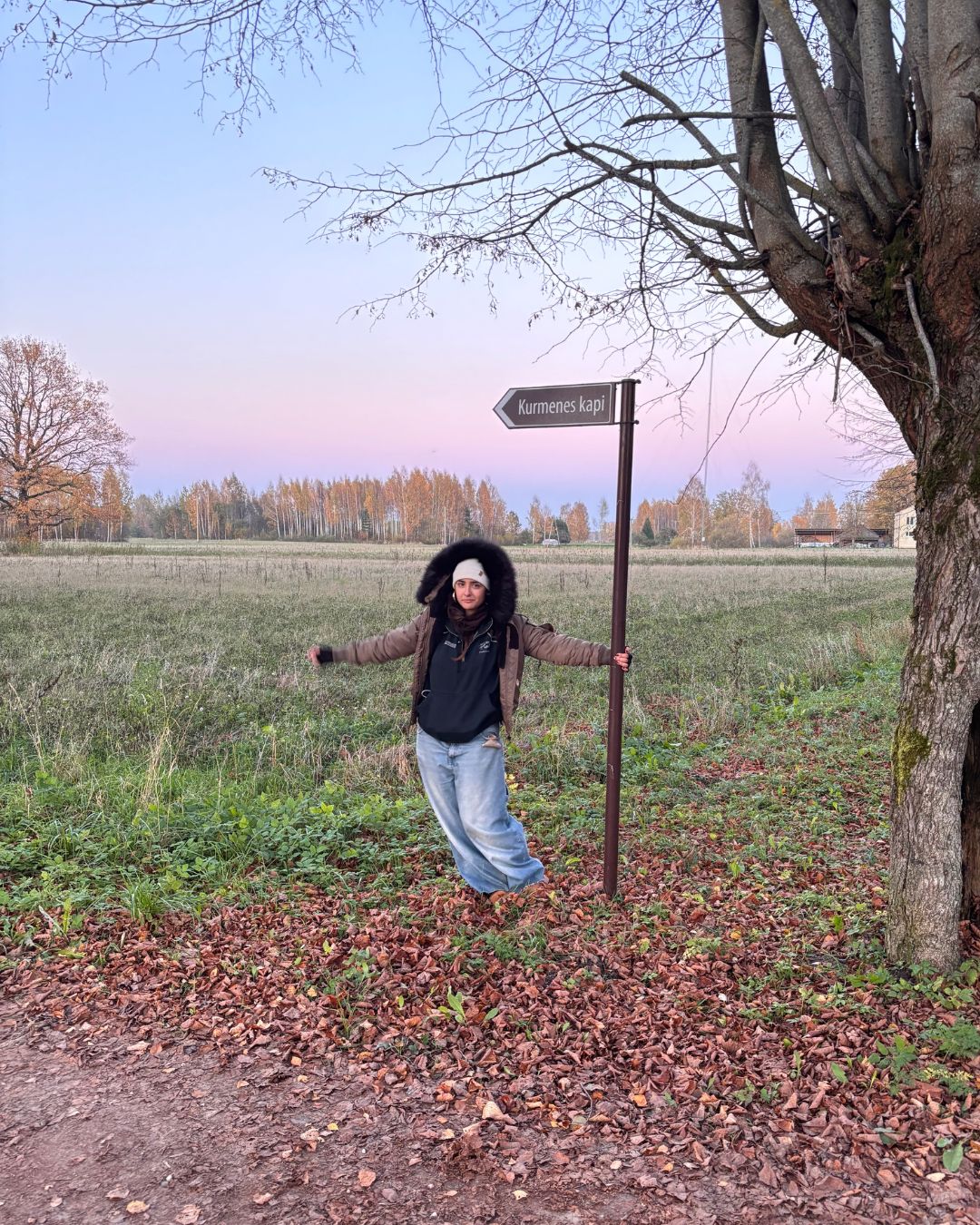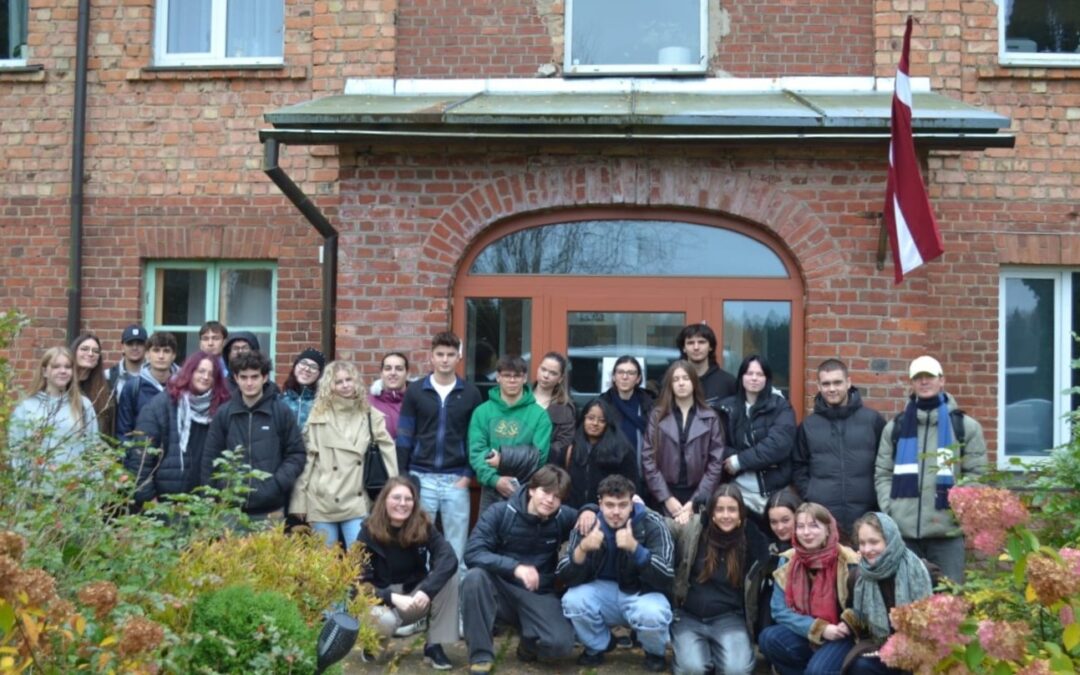
Every day, each of us leaves hundreds of traces online that we almost never look back at, even though others have been reading them carefully for a long time. This observation gave rise to the Click. Create. Contribute. youth exchange program in Latvia, where a group of seven participants from Spain spent nine days alongside peers from various countries. Together, they explored how information is created, who consumes it, and what happens to it afterward.
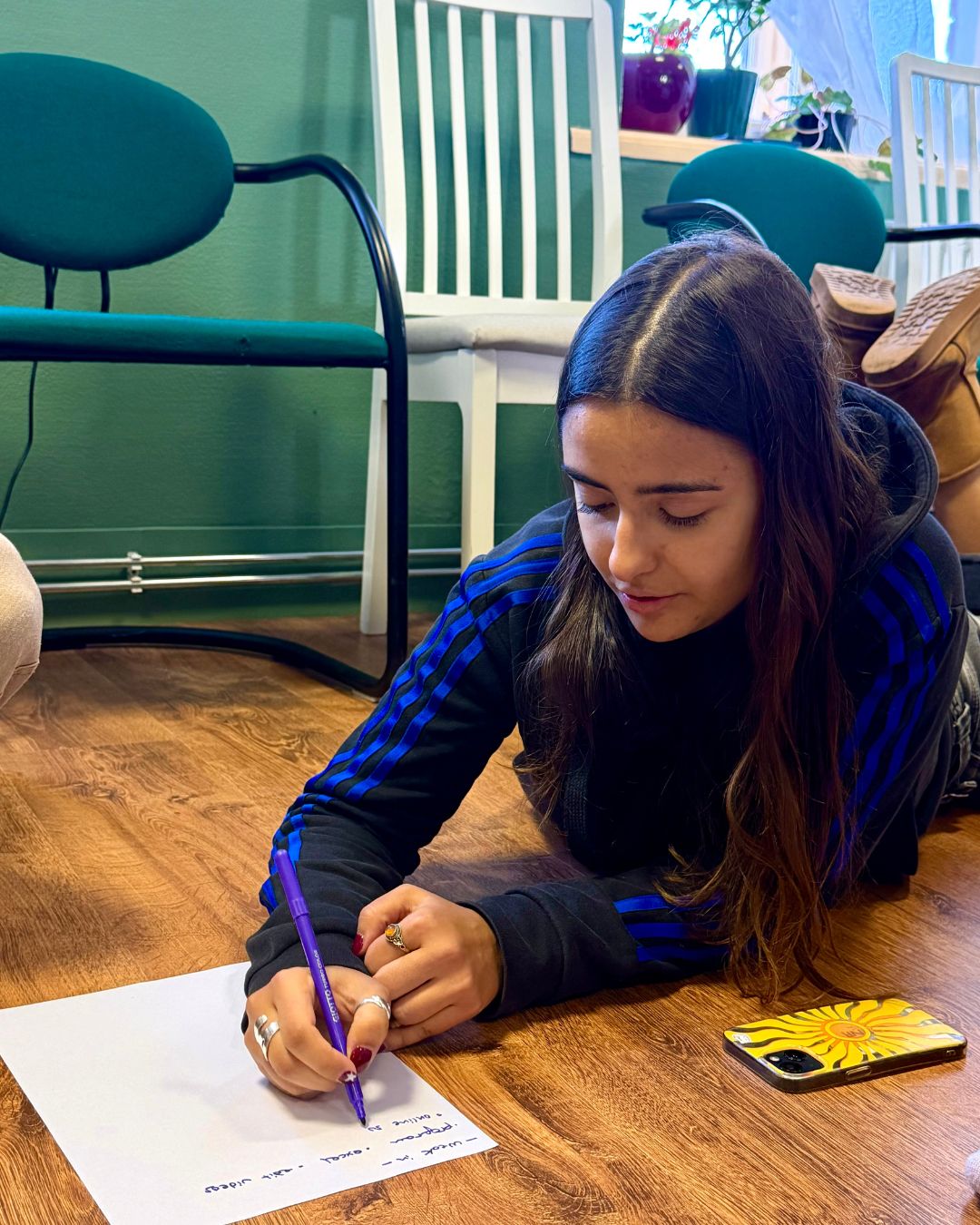
The project’s name itself reads like a roadmap: first, you click and consume; then you create something of your own; and only then can you contribute something to the shared space. The workshops followed this exact order. Participants discussed fake news, digital footprints, and online privacy; worked on storytelling and content creation; and experimented with using artificial intelligence creatively and responsibly.
Daniel’s main discovery was that there is, in fact, a step between scrolling and creating: thinking about where all this information comes from. He learned new ways to produce content and communicate online, and for the first time, paused to consider the origins of the endless feed. He especially appreciated the practical exercises, where skills were exchanged like currency and everyone could observe their own ideas being repurposed by others.
Albert found himself on the other side of this process, as digital skills and cybersecurity became a topic he had to explain to others. Someone who has just learned how to protect themselves online very quickly becomes the person others turn to for advice, and he embraced this role with obvious pleasure: “I really enjoyed these workshops; they allowed me to master important technical tools and learn how to feel safe online. Helping others navigate the digital world and seeing their confidence grow was very rewarding.” Working on an international team, he says, changed his perspective on collaboration and on the impact an individual can have on a community.
Nicolau notes that the intercultural environment shifted his perspective from day one. He returned with a practical understanding of how to turn abstract ideas into structured initiatives, along with new experience in team leadership. He specifically highlights his work with artificial intelligence: “Exploring artificial intelligence as a creative partner completely changed my approach to content creation, and learning to use it ethically and strategically improved both my workflow and my storytelling skills.” What impressed him most was the sense of community, as exchanging ideas with people from diverse backgrounds sparked fresh ideas and connections he hopes to maintain.
Elsa took the helm for the team, arriving hungry for new knowledge and leaving with a whole new map of what AI can do. The sheer range of possibilities surprised her: these tools don’t just help you build ideas, they help you stretch them. But for Elsa, the real treasure was elsewhere: “Perhaps the best part of this experience was sharing it with other people. I met incredible people; we exchanged ideas, I learned from their experiences, and we became such good friends that I hope these relationships will last a long time.” Sharing daily life with people from other cultures, she says, cracked open her worldview and let her see the familiar in a new light.
Adrià summed up the project in two dimensions: personal and professional. He learned a great deal about artificial intelligence, digital skills, and how technology can improve everyday life, and he also felt his creativity, communication skills, and ability to adapt quickly to new situations had improved. His reflection includes a thought that explains why such exchanges matter even when the subject matter is purely technical: “When you’re surrounded by people with different perspectives, you learn about artificial intelligence, about yourself, and about the world around you.”
Ruth kept it short and sweet, the kind of brevity that comes from knowing exactly what matters. For her, Erasmus was a ticket to new faces, new places, and memories that will stick long after the suitcases are unpacked: “I’m taking home countless memories, new friendships, and lessons that go far beyond the academic realm. It’s an experience I would recommend to everyone, and I would do it again without hesitation.”
Daniel, incidentally, filmed several Reels during the project. They now circulate on the same platform where, for nine days, participants debated safety and responsibility. Perhaps this is the most accurate summary: the digital traces we leave on purpose rarely resemble those that appear by accident.
Thank you to Daniel, Albert, Nicolau, Elsa, Adrià, and Ruth for sharing their impressions.
This article was prepared by Olha Oltarzhevska, Fundació Catalunya Voluntària