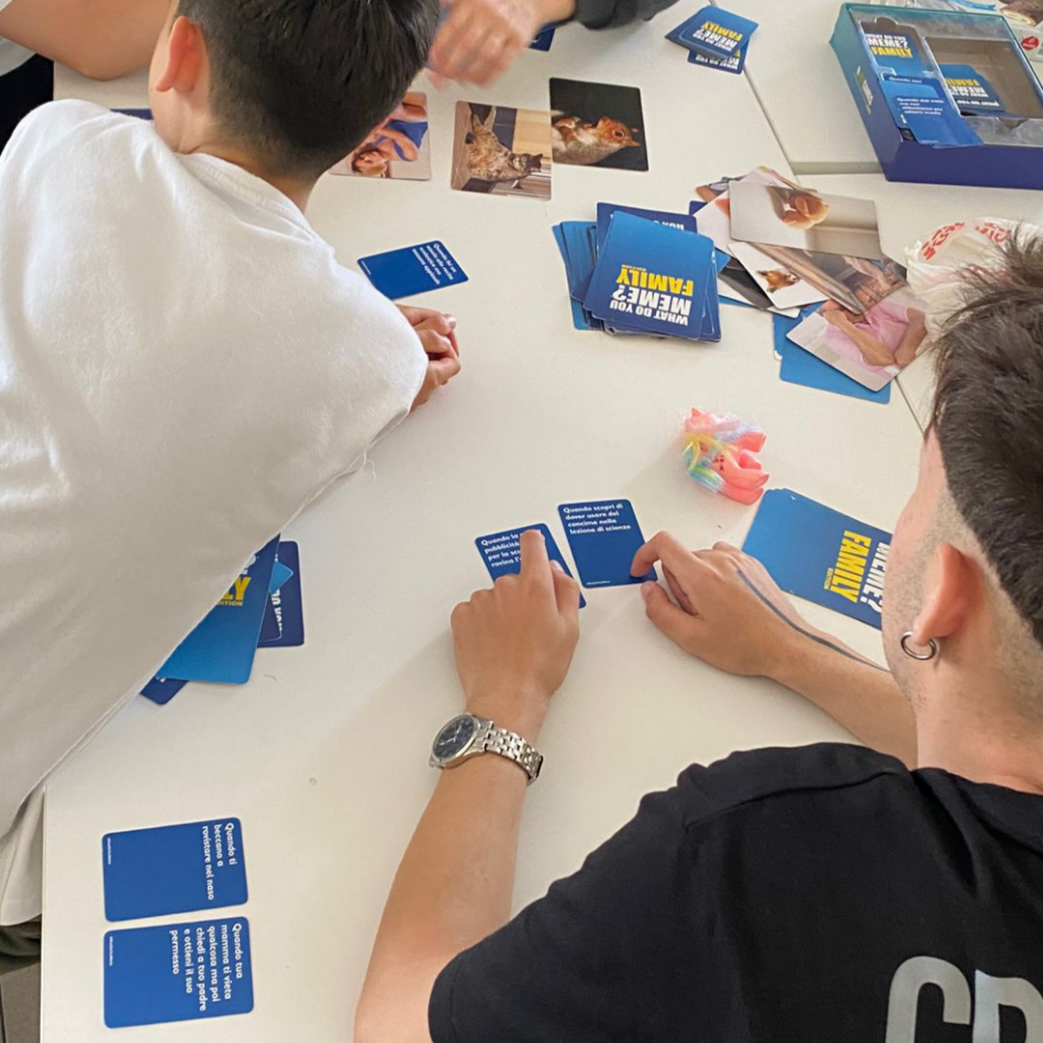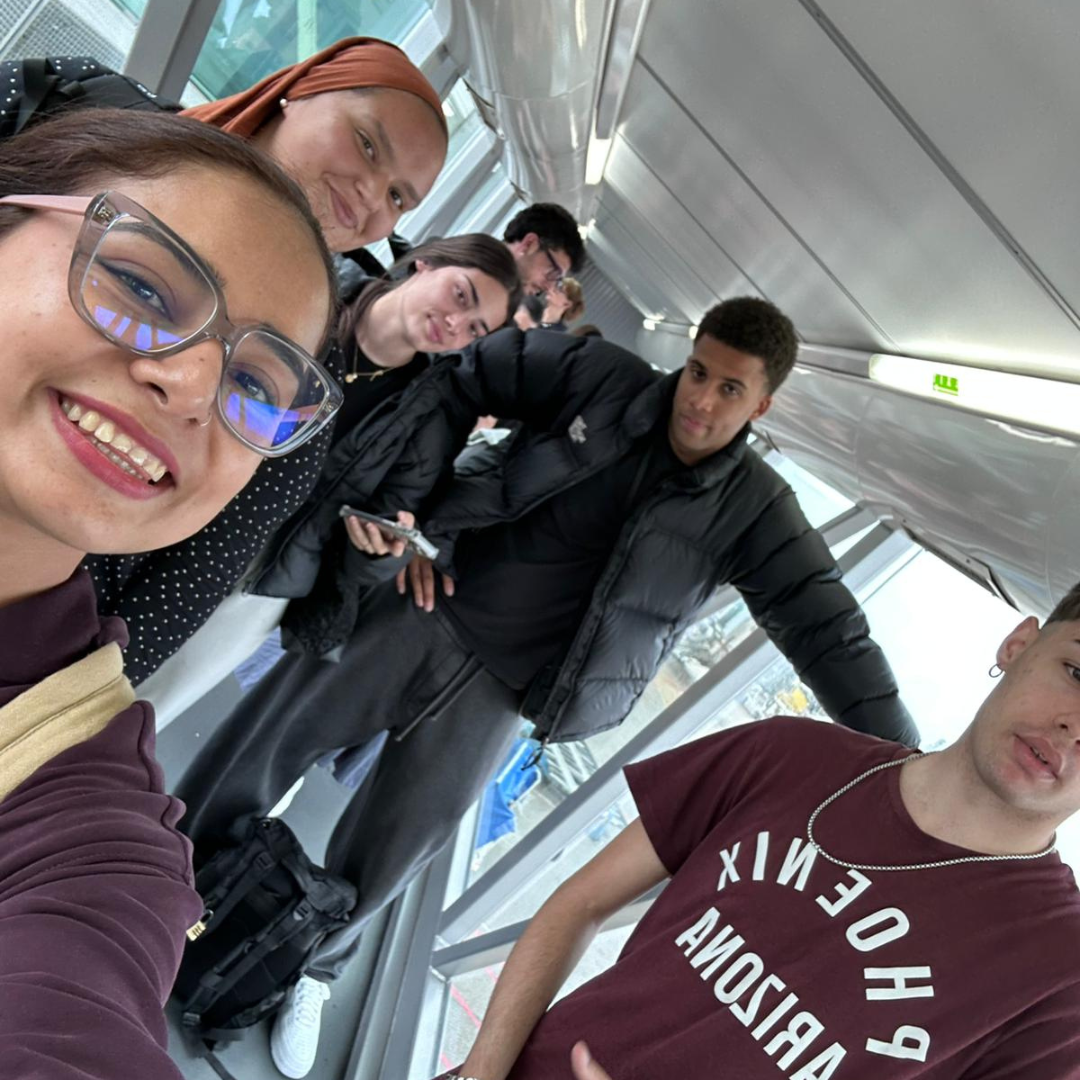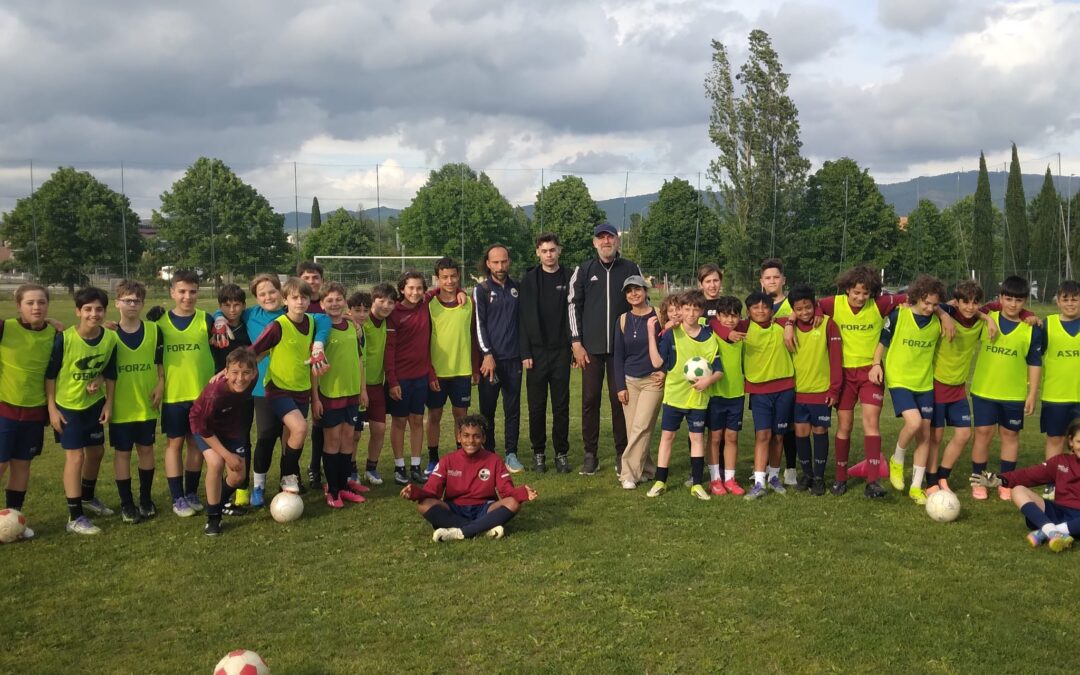
There is a particular feeling that appears during the first days in a new city, when you still do not know where to buy bread, but you already know what the streets smell like in the morning. Arezzo, a town in Tuscany that most tourists pass through on their way to Florence, is exactly where the participants of the ALMA 2.0 programme are doing their internships. The first week is already behind them. And all three participants speak differently, but about the same thing.
The ALMA programme is a European Union initiative for young people between 18 and 29 years old who, for different reasons, have found themselves outside both the labour market and the education system. The programme includes internships abroad lasting up to two months, language preparation, cultural immersion and, most importantly, real work experience inside organisations in the host country. For many participants, this is the first structured experience they have ever had in a professional environment, and this is precisely the logic behind the programme: not to wait until someone is "ready", but to create conditions where readiness appears naturally on its own. Fundació Catalunya Voluntària coordinates the Spanish side of the programme, from the selection process and months of preparation to the support participants receive once they arrive. The current group specialises in leisure activity monitoring, an area that in practice means observing how people spend their free time, understanding the needs behind it and learning how community organisations respond to those needs. This group travelled to Italy in May and is already ready to share its first impressions.
Amar Diaye talks about Arezzo with a sense of surprise that still feels fresh. What impresses him is not the architecture or the tourist attractions, but something else entirely: the pace and atmosphere of the city, where people still seem to know how to be simply present with one another.
What surprises me most about Arezzo is its genuineness and the way everything here feels calmer and warmer. It is a peaceful city, but at the same time full of life, where you can authentically connect both with the Italian culture and with people from many different countries.
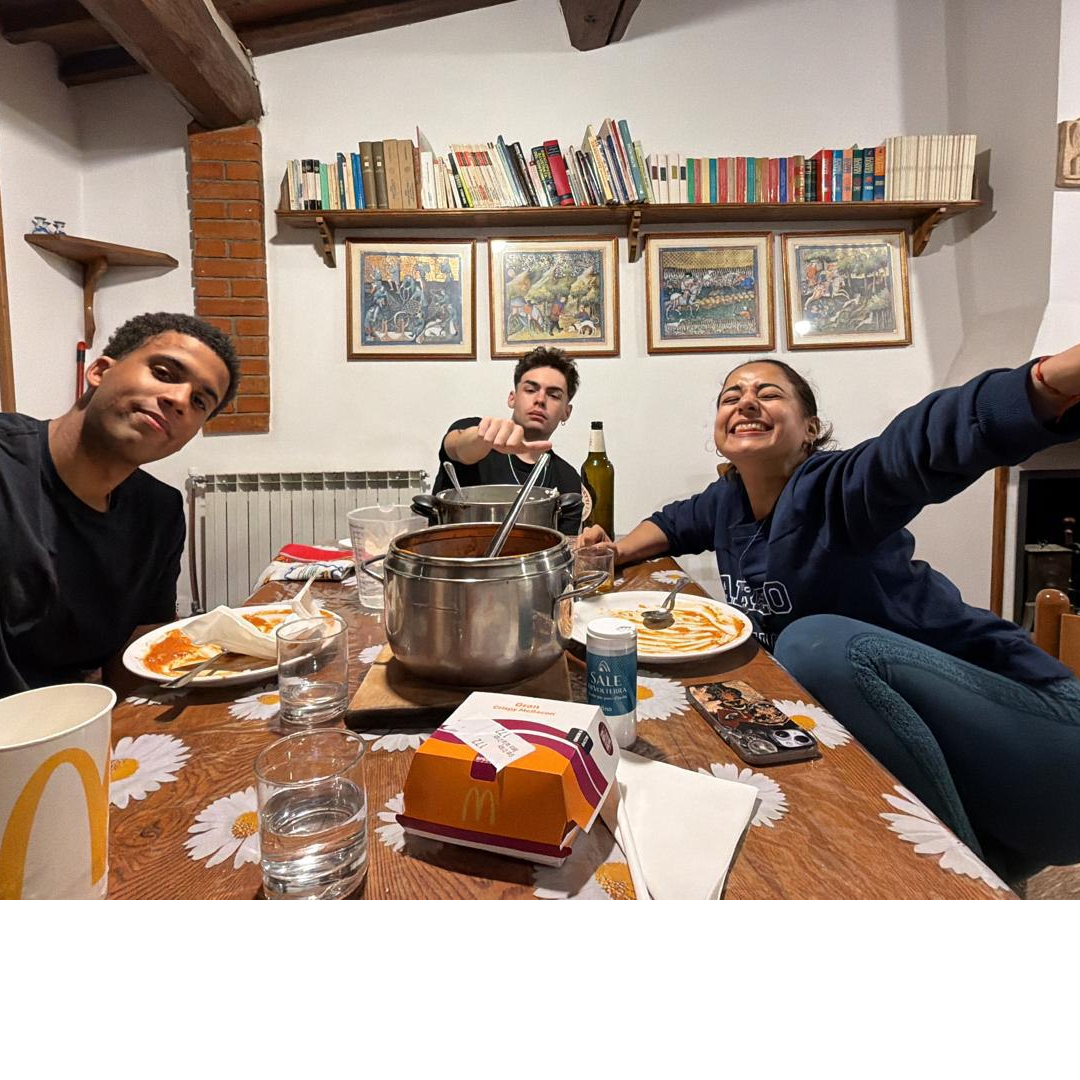
He describes international cohabitation as one of the best parts of the experience. Living every day alongside people from different cultures changes you in a completely different way than any weekend trip ever could. He also highlights something less visible, but equally important: the feeling that there is an organisation standing beside you and not simply sending you abroad and disappearing afterwards.
From the very beginning they made me feel that I was not alone, and that made adapting to a new city and a new rhythm of life much easier.
Adapting to a new city and a new daily rhythm is concrete emotional work, and having support during that process matters much more than people usually imagine beforehand.
Chloé is more concise, and there is meaning in that too. Sometimes an experience is still too alive to be fully explained, and the only thing left is to state it plainly:
Many new opportunities are opening up for us, and we are meeting wonderful people whom we will undoubtedly carry with us for the rest of our lives.
Not every week in life deserves words like these.
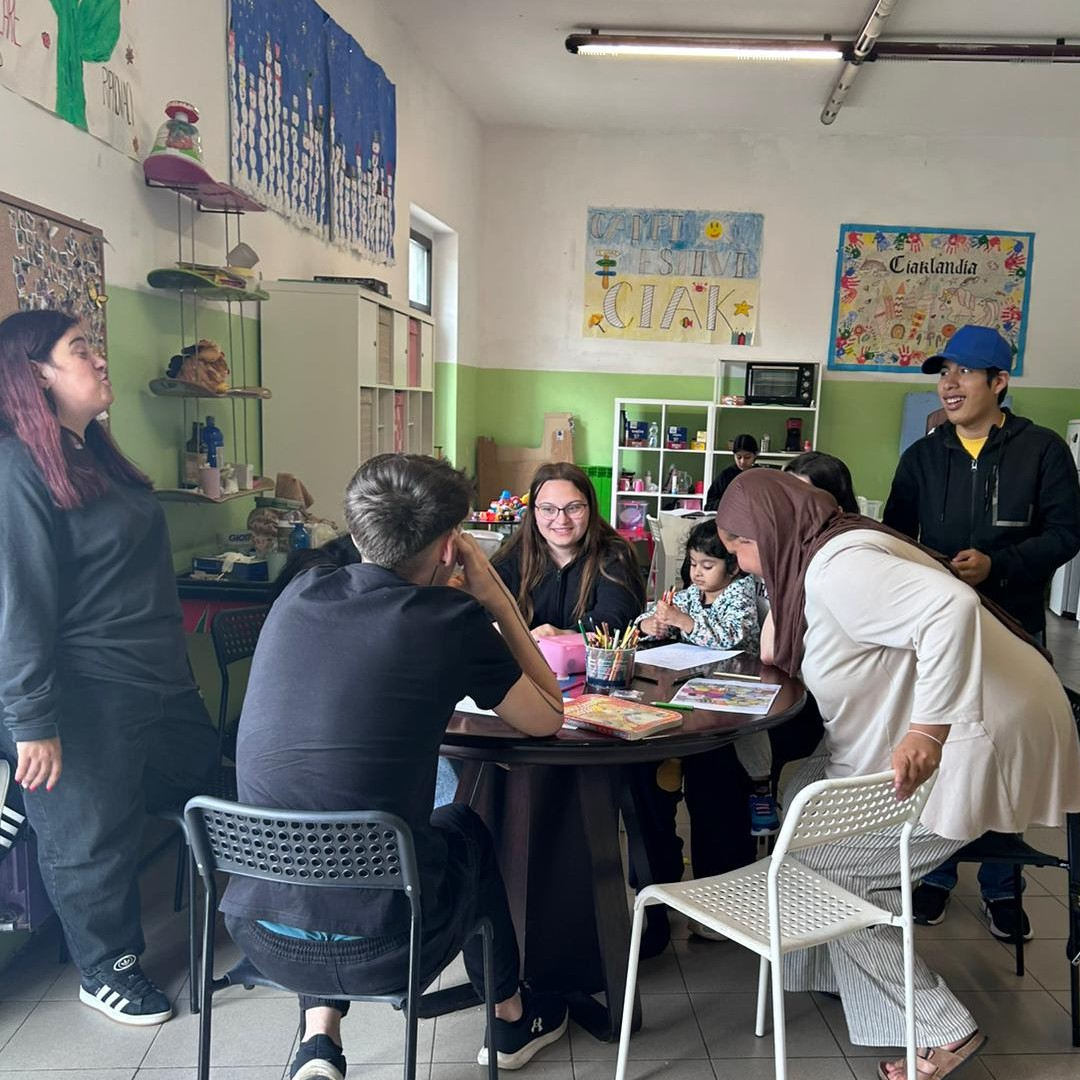
Lalla Ghizlan Baryala brings the most grounded perspective of all – because for her, the first week was not just about settling into a new city, but about something very specific happening inside a classroom. She is doing her internship in an educational setting, working in a ludoteca – a children's play centre – in a language that is not her own.
Being able to carry out the internship in an educational environment, in a ludoteca and in another language, gives me the opportunity to apply everything I learned during the leisure monitor course of the ALMA programme.
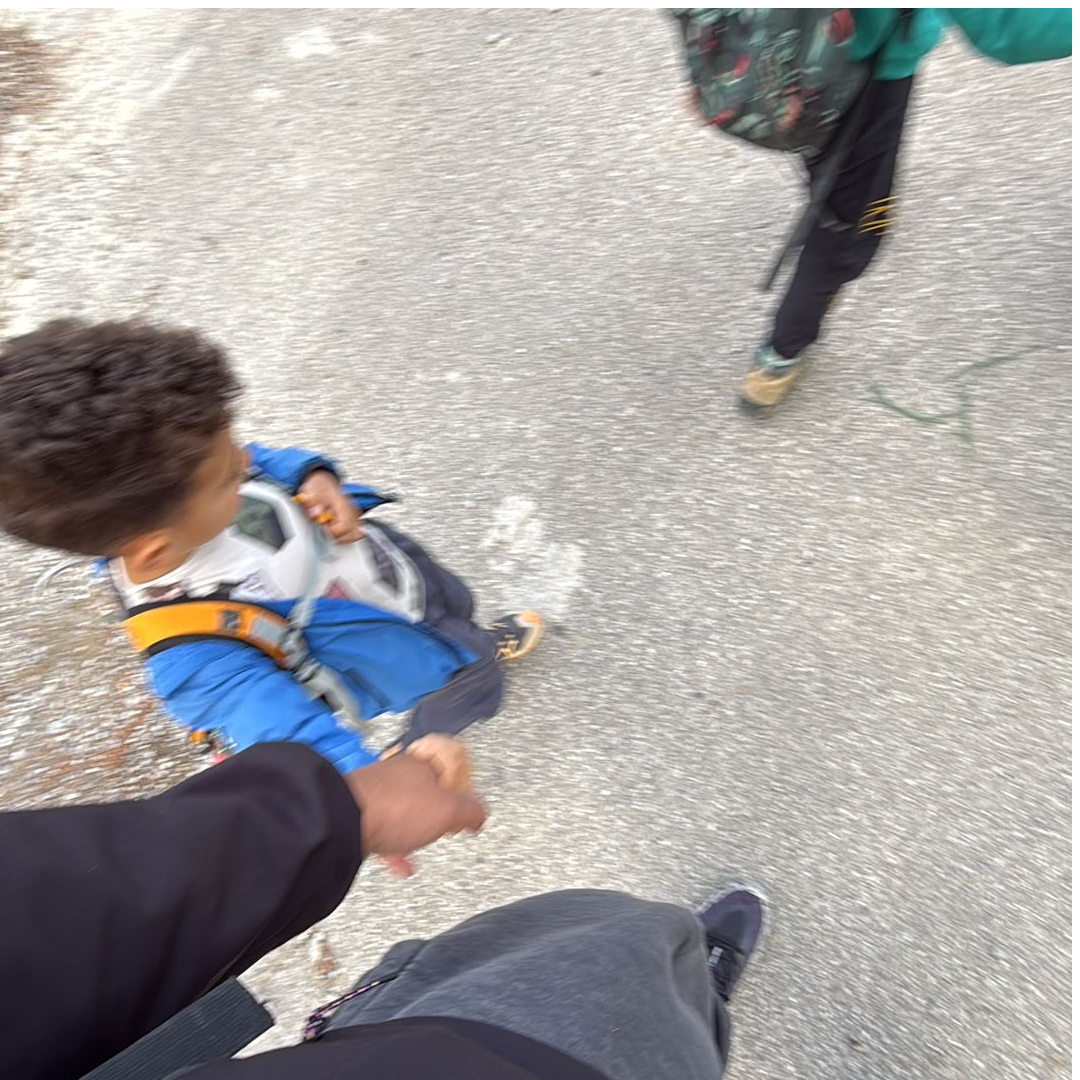
This is what the specialisation in leisure activity monitoring looks like in practice: not as a concept, but as a Tuesday afternoon with children who do not speak your language, and the realisation that you know exactly what to do anyway.
Joel speaks more honestly than anyone else, and perhaps that is exactly why his words feel the sharpest. This is his first time abroad, his first flight, and he openly says that he expected almost everything to be worse except for discovering new places. He expected difficulties with living together, with the internship itself and with the language barrier in the workplace.
I thought there would be a lot of pressure on me because of the language barrier, but everyone has been very kind and I have managed much better than I expected. Honestly, I expected much less from myself, but during the months before the trip they prepared me very well and taught me many things.
At the same time, the personal side has been more difficult for him. He is someone for whom friends are an essential part of life, and their absence is deeply felt.
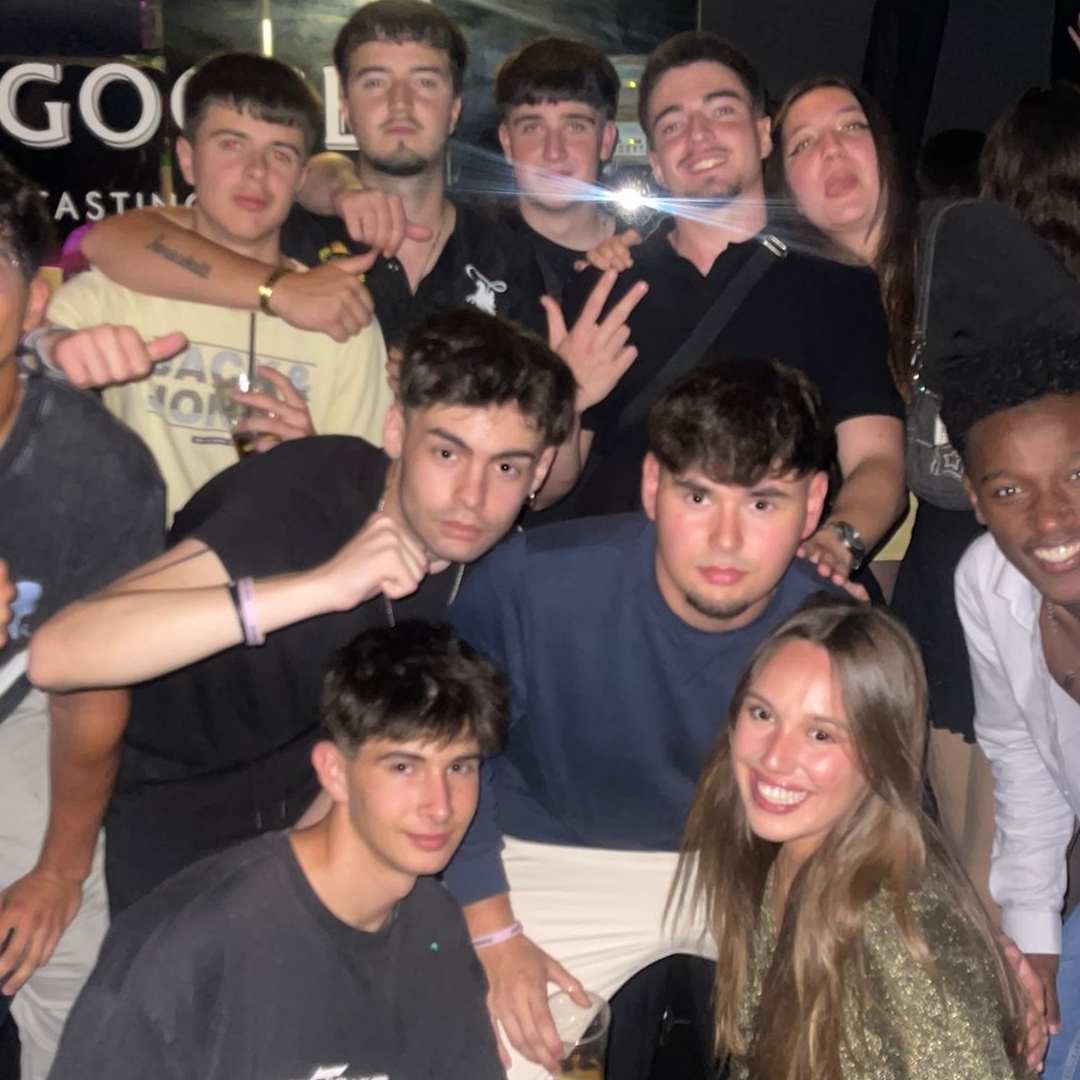
"Nothing compares to home and your safe place," he says. Yet at the same time, he has already become close with other participants in the programme. They go out together, attend parties and are already planning trips around Italy.
Between those two sentences lies the entire first week.
In the end, three voices and three different distances from home all return to the same discovery: each of them turned out to be capable of more than they had imagined. A week in a city that never seems to rush anywhere gave them enough space to finally notice it.
We thank Amar, Chloé and Joel for sharing their impressions.
Article prepared by Olha Oltarzhevska