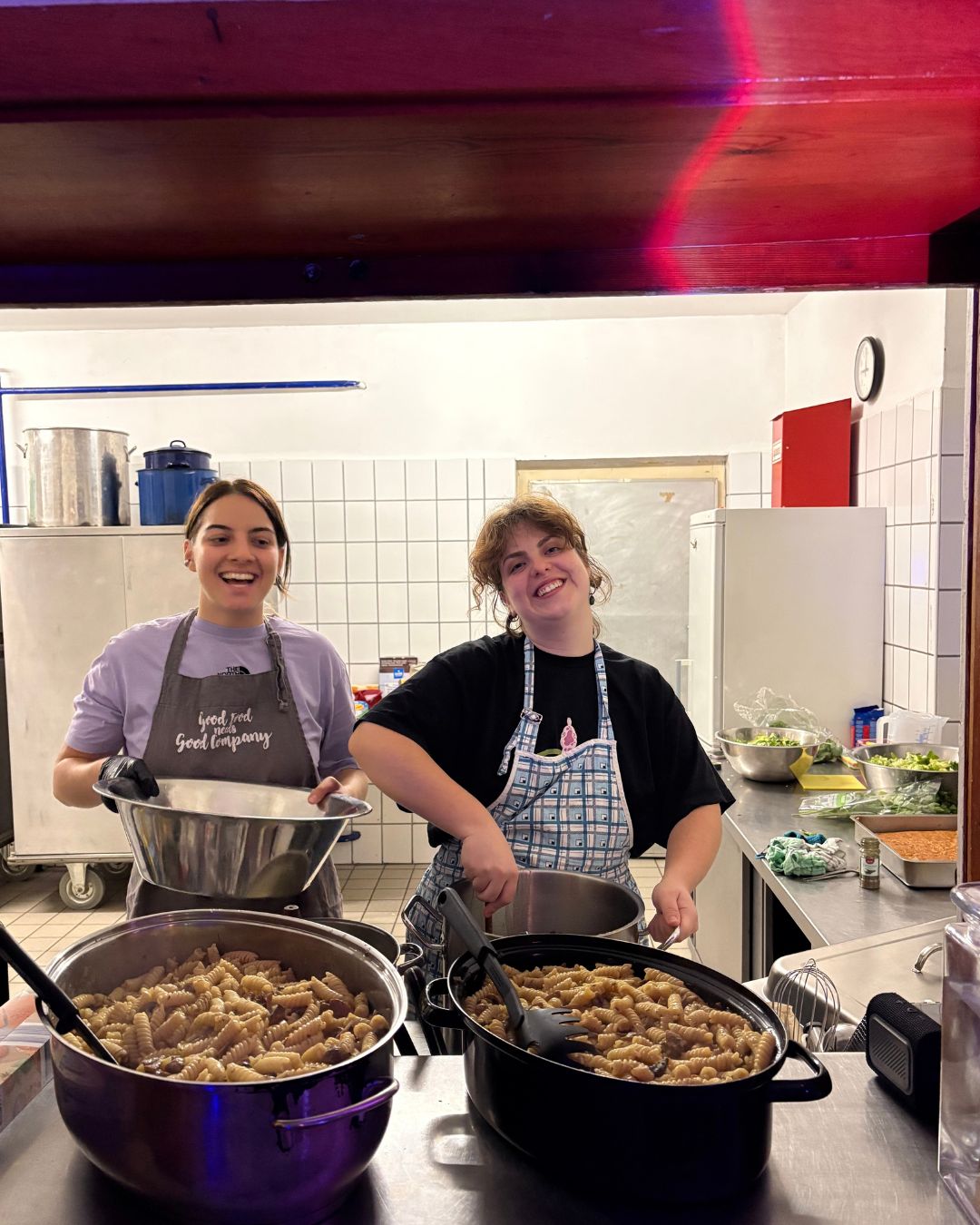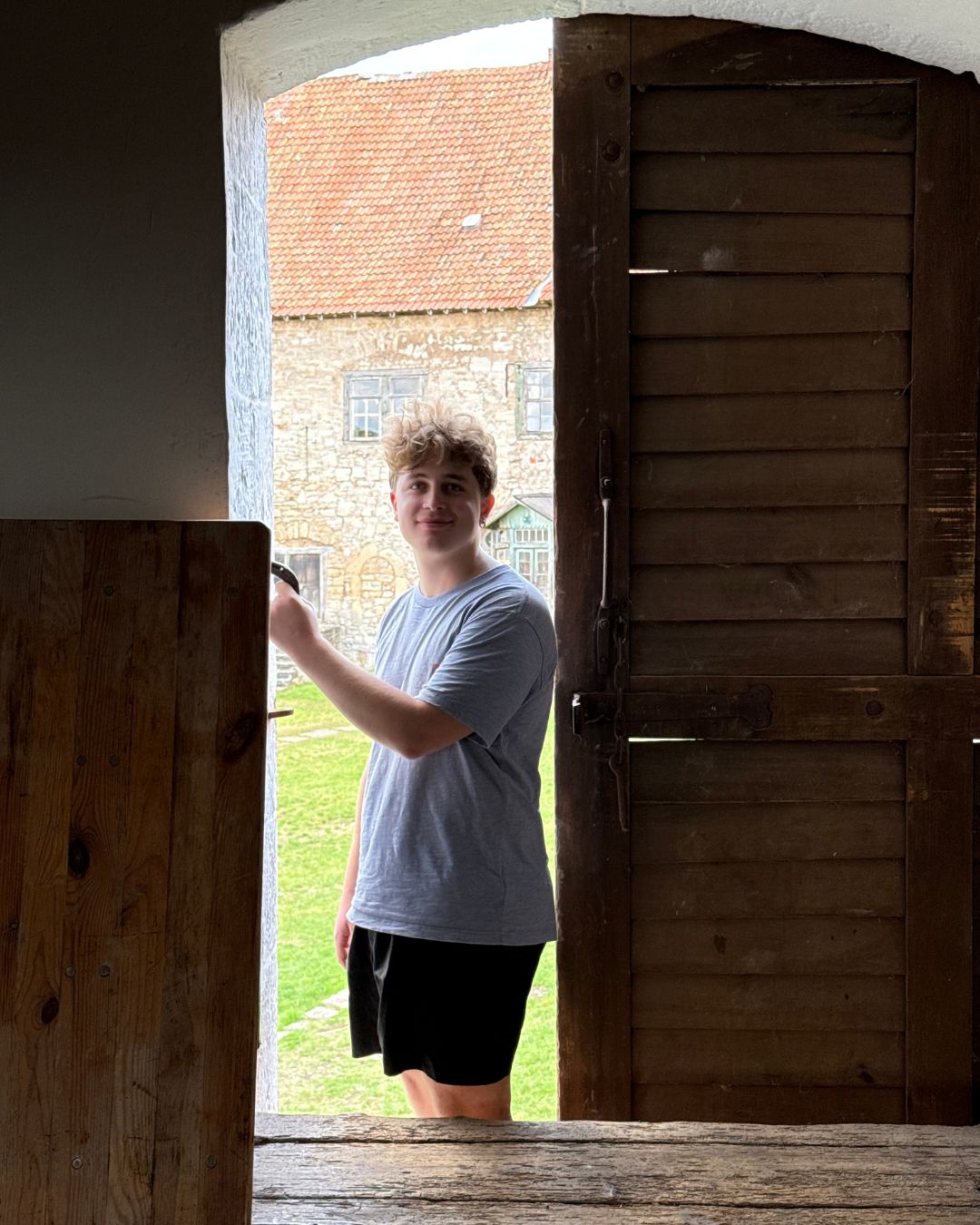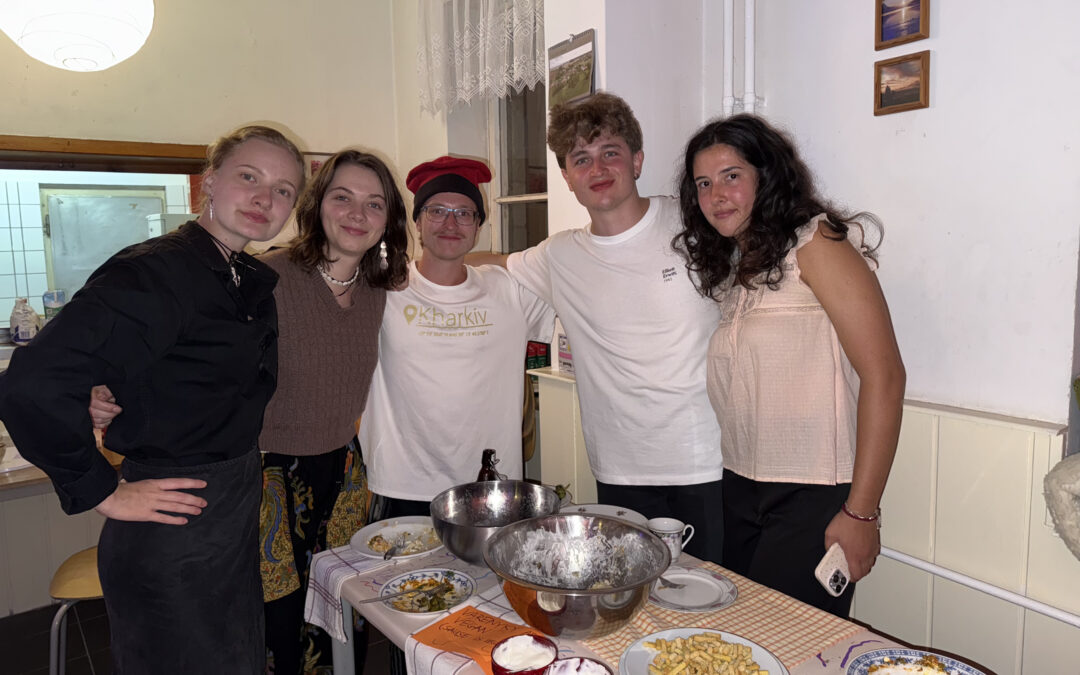
Burg Lora has been watching the world from its hilltop since the 11th century, but even its ancient stones probably never dreamed of this: a wild, multilingual crew from seven countries, all chopping, stirring, and turning dinner into theater. That’s exactly what happened this September, when Stage & Spice took over the castle for ten days of Erasmus+ magic. Five of us from Fundació Catalunya Voluntària joined teams from Greece, Bulgaria, Portugal, Romania, Italy, and Germany, and the castle’s old walls got a taste of something new.
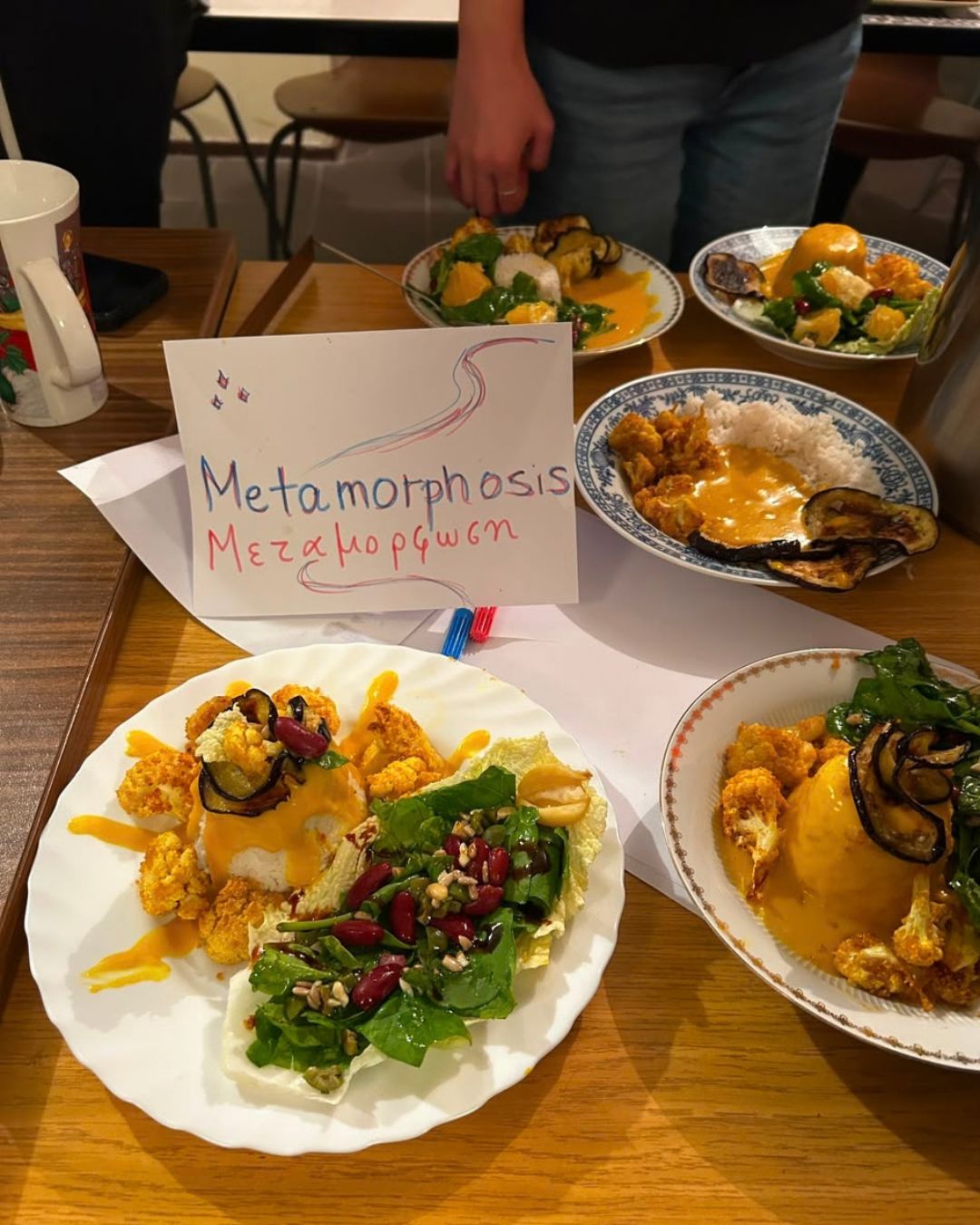
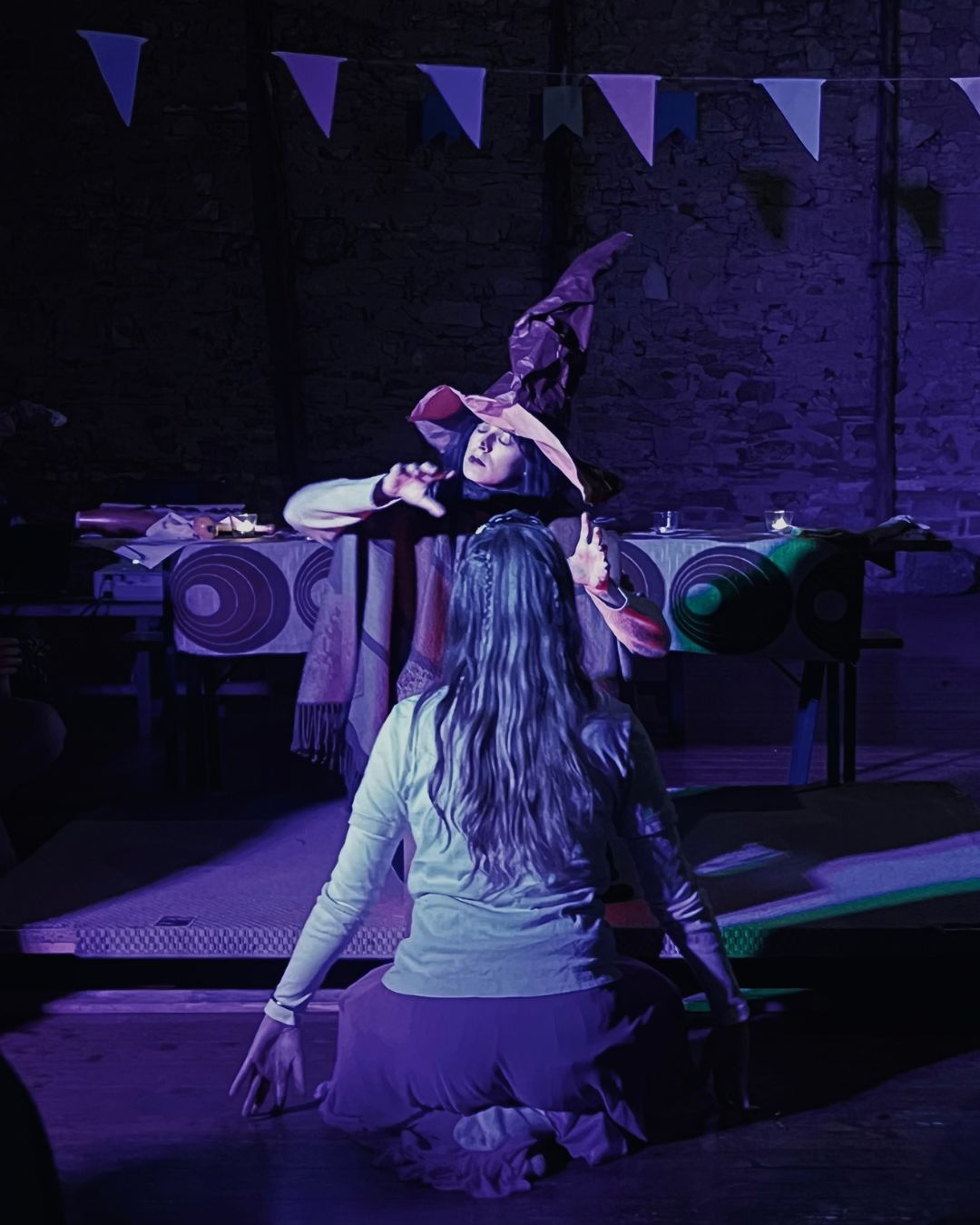
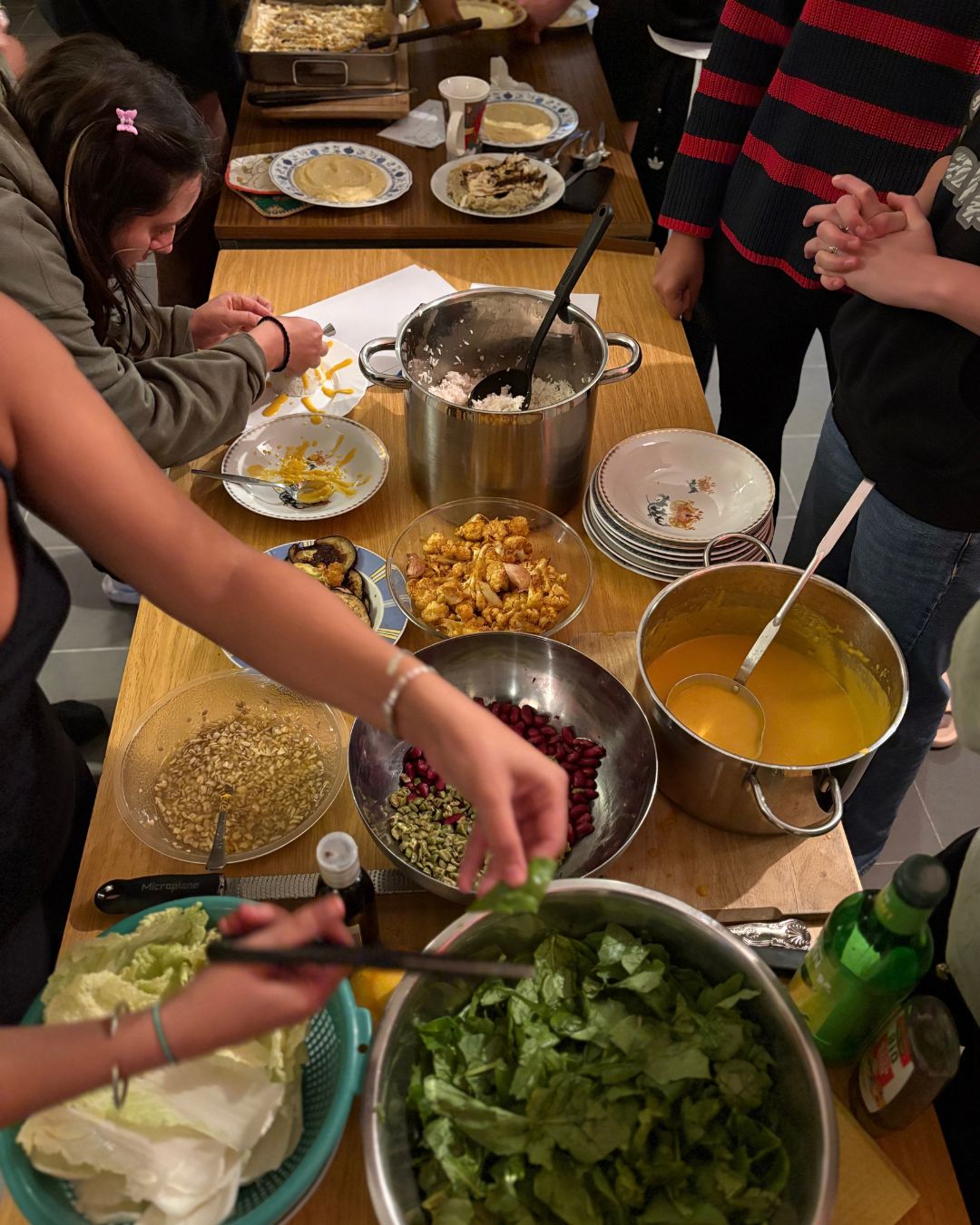
Mixing theater and cooking sounds like a wild experiment, but here it was as real as flour on your hands. Mornings meant theater games, improvisation, and moving until your muscles remembered new stories. Afternoons were for peeling, chopping, and learning the secret life of seasonal vegetables. Every meal was vegetarian, and leftovers never vanished – they transformed, reappeared, and taught us that nothing is ever wasted, not in the kitchen and not in creativity. By the end, we were staging our own performative dinners, where food, movement, and stories collided and finally made sense together.
Vadym Odariuk went there with the reserved expectations of someone who has long worked in theater and with actors and assumed there wouldn’t be much new here: “It had been a long time since I’d been in a place where artistry, energy, and positivity flowed so freely into one another – we did theater exercises, many of which were new even to me despite my years of working in theater, and we cooked together, and the feeling of eight people making varenyky is simply impossible to recreate on your own.” He also candidly acknowledges that every project involves friction and organizational challenges – but what matters most to him is that the environment was safe and the facilitators were always there when needed.
Hryhorii Kvartsianyi describes that week through a sense of time that feels completely thrown off balance: by the end, it seemed as though they had been there not for nine days, but much longer – so packed was each day with activities, conversations, and new information that didn’t have time to sink in before the next piece came along. He singles out Intercultural Night – an evening when participants shared traditions, dances, songs, and food – as a moment he’d been looking forward to even before the trip, and it turned out exactly as he’d hoped, something that happens much less often than one would like. As he approached food, he found something that resonated deeply with him: “If there were leftovers from one meal, we’d find a way to use them the next time – and that made cooking practical, creative, and responsible all at once.”
Xiomara Cruz returns from the project with something concrete and applicable: “I learned that we acquire knowledge not only by reading or listening, and that sometimes the most effective learning happens through the body, movement, and shared experience – but what surprised me most was how natural the combination of food and performance turned out to be, two concepts that seem very different but in fact support each other very organically.”
Mariia Petrenko went there partly because of the idea itself – theater, cooking, and a medieval castle existing simultaneously as reality – and says that all three elements turned out to be better together than she could have imagined separately: “It was an intense eleven-day immersion, filled with memories, challenges, and curiosity – but what mattered most were the people, each of whom brought their own share of knowledge, culture, and creativity, and it was this combination that made Stage & Spice what it became.”
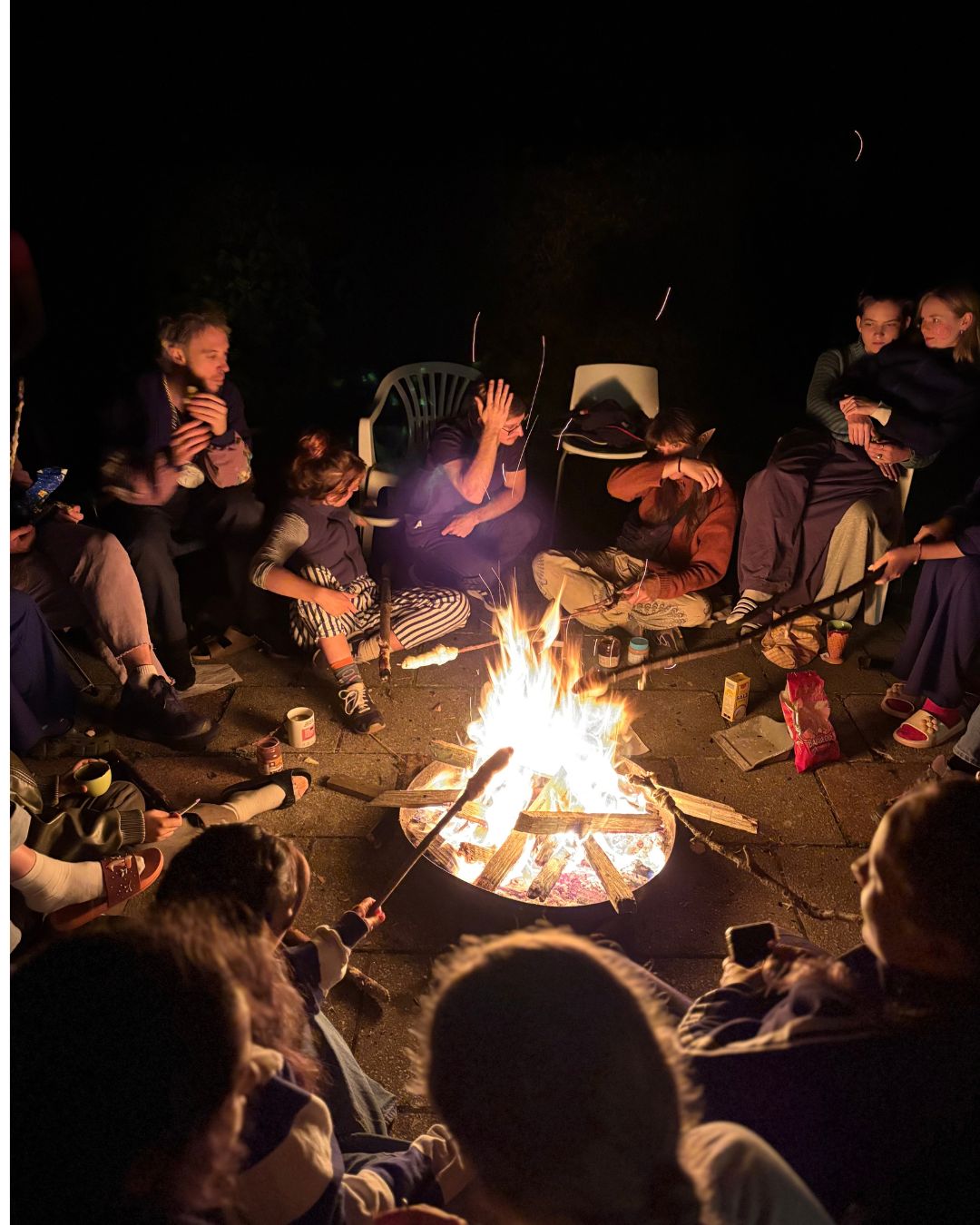
Burg Lora is located in a rural area, and getting there is half the adventure. Once you arrive, the idea of slipping away fades fast. We cooked, argued, rehearsed, and circled the fire at night, all in the same orbit. Being tucked away together, with nowhere else to run, turned out to be a gift: time slowed down, and the days stretched into something deeper and more deliberate than any ordinary week away from home.
Text by Olha Oltarzhevska, Fundació Catalunya Voluntària.
Thank you to Vadym, Hryhorii, Xiomara, and Mariia for sharing their impressions